| Over-the-Door Cervical Traction | Neck and upper cervical region | Usually uses a water-weight, sand-weight, or pulley system. Force is adjusted gradually according to the instruction manual. | Compact option for short, controlled neck-traction sessions; generally less expensive than larger systems. | Padded head halter Stable door anchor Gradual adjustment Clear force limits | Small footprint; requires a strong, compatible door and enough clearance for the pulley system. | Adults seeking gentle, localized cervical traction after professional guidance. | Does not provide lumbar or whole-body traction. Poor fit or excessive force may cause neck discomfort, headache, or dizziness. |
| Inflatable Cervical Traction Device | Neck and upper back | Air chambers are inflated manually. Neck angle and support vary by design. | Portable and easy to store; may be useful for brief, low-force support while sitting or lying down. | Pressure control Neck padding Secure fastening Easy deflation | Very portable; usually requires no permanent installation. | Travelers or users who need a lightweight cervical-support option. | Provides limited force control and limited body coverage. Fit depends strongly on neck size and posture. |
| Lumbar Traction Belt or Harness | Lower back and lumbar region | Adjustable straps or an inflatable section create gentle abdominal or pelvic support. It is commonly used while lying down or standing. | Portable support for temporary use; may reduce the feeling of compression for some users. | Wide pelvic support Non-slip material Gradual tightening Correct sizing | Minimal storage needs; no dedicated frame is normally required. | Users who need a simple, low-profile lumbar support device. | Usually produces less consistent traction than a structured table. It cannot independently treat the neck and lower back together. |
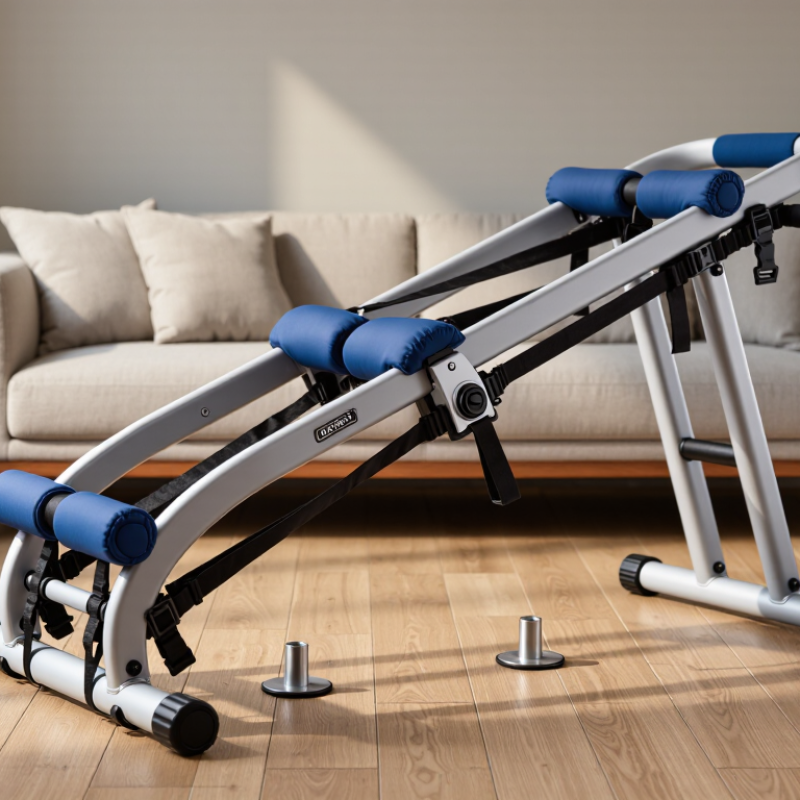
| Portable Lumbar Traction Table | Lumbar spine and pelvis | Often uses a split platform, adjustable harness, and a manual or powered traction mechanism. Force and session time should be limited by the manual. | More consistent body positioning and force direction than a belt-only design. | Locking frame Pelvic harness Emergency release Stable handles | Requires floor space and safe assembly; folding models are easier to store but may be heavier. | Adults needing more structured lumbar positioning at home. | Not a true full-body device; user must be able to transfer onto and off the table safely. |
| Inversion Table | Spine and posterior body chain; traction is created by body angle and gravity | Usually includes adjustable inversion angles, ankle clamps, and a control handle or tether. | Allows different body angles and may provide a stretching sensation across the back and hips. | Secure ankle clamps Angle limiter Stable base Safety strap | Large footprint and significant overhead clearance; requires careful assembly and a level floor. | Physically capable users who can enter, invert, and exit without assistance. | Not suitable for everyone. Head-down positioning can affect blood pressure, eyes, balance, and circulation. |
| Full-Length Split-Platform Traction Table | Primarily the lumbar spine, with support extending through the torso, pelvis, and legs | Typically includes adjustable body length, pelvic and chest supports, and controlled longitudinal movement. | Offers more consistent alignment and broader body support than small belt-based devices. | Independent body supports Mechanical stop Emergency release Load rating | Needs substantial floor space, a stable surface, and enough room for safe transfer. | Users requiring a more comprehensive home setup and who have received professional instructions. | Higher cost, larger storage requirement, and greater risk if assembled or adjusted incorrectly. |
| Gentle Full-Body Stretching Mat or Frame | Back, hips, legs, and shoulders through supported stretching rather than strong spinal traction | Uses body position, straps, cushions, or low-tension elastic components. It should not create sharp or forceful pulling. | Provides a low-intensity mobility routine and may be easier to use than a mechanical traction table. | Low-tension straps Non-slip base Padded contact points Simple release | Usually compact and easy to store; generally suitable for bedroom or living-room use. | Users seeking gentle stretching rather than clinical-level traction. | It is not equivalent to medically supervised traction and may not provide measurable or consistent spinal force. |



 08045479132
 Send Inquiry

 Send Inquiry
 Send SMS