Change Language
Call Us08045479132

2026 Best Stereo Zoom Microscope for Global Buyers?

Choosing the 2026 best Stereo Zoom Microscope requires more than comparing magnification numbers. Global buyers need stable images, comfortable working distance, reliable illumination, and service support after delivery. A bright showroom image can hide poor edge sharpness, stiff zoom controls, or weak documentation.

Industry data shows continued demand for optical inspection. Grand View Research valued the global microscopy market at approximately USD 8.1 billion in 2023 and expects continued growth through 2030. MarketsandMarkets also identifies industrial inspection, life sciences, electronics, and education as important microscopy application areas. These reports do not isolate every Stereo Zoom Microscope sale, but they reveal a wider investment trend. Buyers are becoming more careful.

Optical scientist Ernst Abbe offered a useful principle: “The microscope can only be improved by improving the theory.” His words still matter when evaluating numerical aperture, optical design, and resolution. In practical testing, a buyer should inspect a circuit board, a textured mineral, and a small biological sample. Notice the corners. Move the zoom slowly. Check whether the image remains clear at different working distances.

No single model wins every application. A jewelry workshop may value long working distance, while electronics inspection may prioritize coaxial lighting and camera integration. Budget systems can appear attractive. Their limitations may emerge later.

This guide compares leading 2026 options through specifications, user experience, after-sales reliability, and application fit. Some judgments remain imperfect because regional pricing and service quality change. That uncertainty deserves attention. A microscope is not merely purchased; it becomes part of daily work.

2026 Best Stereo Zoom Microscope for Global Buyers?

What Is a Stereo Zoom Microscope and How Does It Work?

A stereo zoom microscope creates a three-dimensional view of small objects. It uses two separate optical paths, one for each eye. Each path receives a slightly different image. Your brain combines them into depth.

The zoom mechanism changes magnification without replacing the objective lens. A common range is 7× to 45×, although configurations vary. At lower power, you can inspect a circuit board across a wider field. At higher power, you can examine a solder joint, insect wing, or mineral edge. Working distance matters, too. More space beneath the lens makes tools easier to use.

According to Grand View Research’s 2024 microscopy market analysis, the global microscopy market was valued at several billion U.S. dollars and is expected to grow steadily through 2030. This growth reflects demand in electronics, inspection, education, and life-science laboratories. Yet market growth does not guarantee a suitable instrument. A 2024 optical microscopy report from MarketsandMarkets also identifies imaging performance, digital integration, and application-specific design as major purchasing factors. Numbers can mislead. A higher magnification may reduce brightness and depth of field. In practical testing, smooth zoom control and balanced lighting often matter more than maximum power. Test the microscope with your real samples. Fresh impressions can be unreliable. Instrument specifications should be checked against published measurement conditions, not marketing language.

Which Optical and Mechanical Features Matter Most in 2026?

In 2026, choosing the best stereo zoom microscope depends more on optical balance than on impressive specifications. A practical zoom range should support both broad inspection and detailed work. For electronics, jewelry, and biological samples, smooth magnification changes matter greatly. Parfocal optics keep the image focused during zooming. That saves time and reduces eye strain. High numerical aperture objectives provide brighter, sharper views, especially at higher magnification. However, maximum magnification can be misleading. A dim, soft image is not useful.

Mechanical stability deserves equal attention. A rigid stand prevents small vibrations from moving the specimen during inspection. The focusing rack should feel smooth, without sudden resistance or unwanted movement. A long working distance gives hands more room around the sample. This matters when using tweezers, soldering tools, or measuring equipment. Coaxial illumination can reveal surface texture, but reflected glare may hide fine edges. I still sometimes overvalue optical ratings and underestimate the stand. That is a costly mistake.

Tips: Test the microscope with your real samples, not only a printed chart. Check edge sharpness, color accuracy, and focus stability at several zoom levels. Ask for objective specifications, lighting details, and service documentation. Buyers in different regions should also confirm power compatibility and replacement-part access. A microscope that feels slightly less exciting may prove more reliable after months of daily use.

How to Compare Magnification, Image Quality, and Working Distance

2026 Best Stereo Zoom Microscope for Global Buyers?

When comparing a stereo zoom microscope, magnification is only one part of the decision. A wide zoom range may look impressive, but the lowest setting often matters more during inspection. It gives a broader field of view and helps users locate components quickly. Higher magnification is useful for solder joints, fibers, and surface defects. However, excessive zoom can reduce brightness and make hand movement look exaggerated. Do not chase numbers.

Image quality depends on more than resolution. Check edge sharpness, color accuracy, contrast, and image stability across the entire zoom range. In practical workshop testing, a clear image at medium magnification is often more useful than a highly enlarged image with visible blur. Uneven lighting can hide scratches or create false shadows. Use a flat sample, such as a printed circuit board, to compare fine lines and reflective surfaces. Small details matter.

Working distance deserves careful attention. Measure the space between the objective and the specimen, not the overall microscope height. A longer distance leaves room for tweezers, cutters, or inspection tools. It also reduces accidental contact with delicate samples. Yet longer working distance may require stronger illumination or an additional lens. This is where product specifications can feel incomplete. Ask for measured values, test images, and operating conditions before purchase. My own comparisons have sometimes favored a modest magnification system because it was easier to use for long sessions. Comfort can outweigh impressive specifications.

2026 Best Stereo Zoom Microscope for Global Buyers?

How to compare magnification, image quality, and working distance across common stereo zoom microscope configurations.

The values represent typical optical configurations available in the international market rather than any specific manufacturer. Maximum magnification is the upper end of the usual system range, working distance is shown in millimeters, and the image-quality index is a practical 1–5 comparison based on resolution, field flatness, color correction, and edge clarity. Buyers should confirm the final specification with the complete objective, eyepiece, illumination, and camera configuration.

What Should Global Buyers Know About Compatibility and Compliance?

2026 Best Stereo Zoom Microscope for Global Buyers?

What Should Global Buyers Know About Compatibility and Compliance?

A stereo zoom microscope must fit the buyer’s working environment, not just the product catalog. Check local voltage, frequency, plug type, grounding, and adapter certification before placing an order. A microscope rated for 110 volts may require different protection at 230 volts. Test it cold. The illumination should start reliably after overnight storage.

Optical compatibility deserves equal attention. Confirm the zoom range, working distance, eyepiece diameter, mounting thread, and available objective lenses. A long working distance helps when operators use tweezers or inspection tools. Camera ports can also cause trouble. Verify sensor size, image-circle coverage, operating-system support, and software language. A camera may connect physically but still fail during installation.

Compliance documents should match the destination market and shipment configuration. Request electrical safety reports, electromagnetic compatibility evidence, material declarations, user manuals, serial-number records, and calibration information. Importers may also need accurate product descriptions and tariff classifications. Requirements can differ between countries, and they may change. Consult a qualified local compliance professional when uncertainty remains. I have seen buyers focus on magnification, then discover that the supplied plug or software cannot be used locally. That mistake is avoidable, though my own checklists have missed small connector details before. Small details matter. Keep written confirmation from the supplier, especially for replacement parts, service coverage, and warranty terms.

How to Choose the Best Stereo Zoom Microscope for Your Application?

How to Choose the Best Stereo Zoom Microscope for Your Application?

Choosing the best stereo zoom microscope starts with the specimen, not the advertised magnification. A 2024 Grand View Research report estimates the global microscopy market will grow steadily through 2030. That growth reflects wider use in electronics, life science, education, and quality inspection. Start with the smallest feature you must inspect. Then select a zoom range that keeps the image bright and sharp. Excessive magnification can reduce the visible field and slow routine work. I have found that a longer working distance often matters more than another digital zoom level.

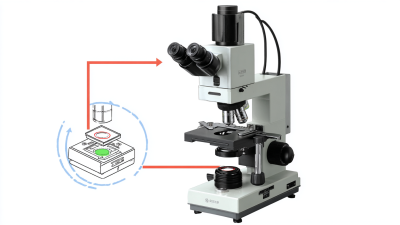
Match the optical design to your workflow. A trinocular system supports camera documentation without constantly removing the eyepieces. Ring, coaxial, or transmitted illumination suits different surfaces and specimens. Test reflective metal, dark plastic, and transparent parts before purchasing. One light source rarely handles all three well. According to a 2023 MarketsandMarkets report, machine vision adoption is expanding across manufacturing, increasing demand for consistent imaging and inspection records.

Ergonomics deserves measurable attention. EU-OSHA reports that musculoskeletal disorders affect millions of European workers, so viewing height and hand position should not be afterthoughts. Choose adjustable eyepieces, a stable stand, smooth zoom control, and enough clearance for tools. Check camera resolution at the actual working distance, not only its headline pixel count. Ask about calibration software, replacement parts, training, and service response in your region. A lower-cost unit may become expensive when alignment drifts or accessories are unavailable. I would also test a full inspection cycle. Short demonstrations can hide fatigue, glare, and awkward controls.

Back to top