2026 Top Vegetarian Diet Supplements for Global Buyers?
Choosing the right Vegetarian Diet Supplements in 2026 takes more than comparing labels or following a popular trend. Global buyers face different diets, product standards, prices, and access to professional advice. A bottle that suits one person may be unnecessary for another. That matters.
This guide introduces key supplement categories often considered in vegetarian diets, including vitamin B12, vitamin D, iron, omega-3s, and iodine. It explains what buyers can look for on labels, such as ingredient sources, serving size, and clear quality information. A small label detail can change a decision. For example, capsule materials and added ingredients may matter to people seeking products aligned with their preferences. Product claims should be checked carefully, not taken as proof of effectiveness.
Reliable choices begin with individual needs. Age, food choices, health conditions, and test results can all affect whether a supplement is appropriate. Some nutrients may be easy to obtain through fortified foods; others may deserve closer attention. There is no universal shortlist, and this overview cannot replace advice from a qualified healthcare professional. Even well-researched guidance has limits. Readers should verify current product details and consult a clinician when unsure, especially before starting a supplement or combining several products. With these practical checks, global buyers can compare options more thoughtfully and avoid paying for nutrients they may not need.
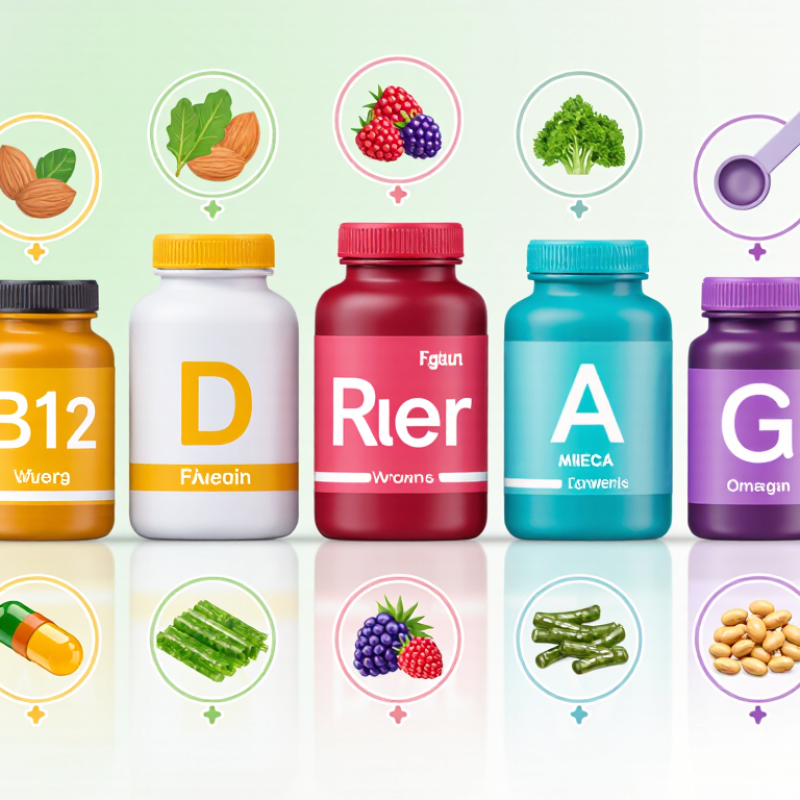
Understanding Vegetarian Nutritional Needs in 2026
Vegetarian nutrition in 2026 requires more than choosing a popular supplement. Food patterns differ across countries, cultures, and budgets. A person eating eggs and dairy may need less supplementation than someone following a strict vegan diet. Not everyone needs every nutrient.
Vitamin B12 deserves careful attention because natural plant sources are limited. Iron needs may rise for menstruating adults, athletes, or people with low blood ferritin. Iodine, vitamin D, calcium, zinc, and algae-based omega-3 can also require review. Protein matters too, especially when meals contain few legumes, tofu, nuts, or fortified foods. A blood test can reveal gaps that a shopping list cannot.
Quality checks matter for global buyers. Look for clear ingredient amounts, testing information, allergen statements, and storage instructions. Laws and supplement standards vary by country, so local professional advice remains important. A registered dietitian or qualified clinician can match doses with age, pregnancy, medications, and medical history. More is not always better. High-dose iron, vitamin D, or iodine may cause harm without a confirmed need. A practical weakness in many supplement plans is poor follow-up: people start several products, then forget which one changed their symptoms. Keep records, review results, and adjust slowly.
2026 Top Vegetarian Diet Supplements for Global Buyers
Understanding Vegetarian Nutritional Needs in 2026
The chart compares adult reference intakes commonly considered when planning vegetarian diets, expressed as a percentage of the U.S. FDA Daily Value. Vitamin B12, iron, zinc, iodine, calcium, and vitamin D are frequently monitored because intake or absorption may be lower in some vegetarian eating patterns. Iron and zinc requirements can be higher for people relying mainly on plant sources because non-heme forms are less readily absorbed. Individual needs vary by age, sex, pregnancy, location, health status, and dietary pattern; professional advice is recommended before supplementation.
Key Supplements for Common Vegetarian Nutrient Gaps
Vegetarian diets can be highly nutritious, but common nutrient gaps deserve practical attention. Vitamin B12 is the clearest concern, especially for vegans, because reliable natural sources are limited. The NIH Office of Dietary Supplements sets the adult B12 recommendation at 2.4 micrograms daily. Fortified foods may help, yet absorption varies. Iron also needs careful planning. The NIH notes that vegetarian adults may need 1.8 times more iron because plant-based iron is less bioavailable. Menstruating consumers face higher demands.
Vitamin D, iodine, calcium, zinc, and long-chain omega-3 fats can require closer review. The NIH recommends 15 micrograms of vitamin D daily for most adults, while iodine needs reach 150 micrograms. Calcium-rich tofu, fortified drinks, beans, and leafy vegetables can support intake. Algae-derived DHA may suit people avoiding fish. However, a supplement label is not a nutrition assessment. The Academy of Nutrition and Dietetics stresses individualized planning, especially during pregnancy, adolescence, and older age. Country-specific fortification rules also differ.
Tips: Check B12 regularly, particularly after changing diets. Pair lentils with peppers or citrus to improve iron absorption. Take calcium separately from iron when advised. Look for third-party testing and clear dosage information. Blood tests can reveal more than symptoms, which often appear late. One gap remains in many plans: people count tablets but forget total intake from fortified foods. Discuss unusual fatigue, numbness, or brittle nails with a qualified healthcare professional before increasing doses.
How to Compare Supplement Forms, Dosages, and Quality
Choosing vegetarian diet supplements in 2026 requires more than comparing prices. Form, dosage, and quality can change the result. The NIH Office of Dietary Supplements lists vitamin B12’s adult recommended intake at 2.4 micrograms daily. However, absorption varies by product form and individual health. Tablets, sprays, and sublingual products are not automatically better. I prefer checking the actual nutrient amount, serving size, and testing information.
Iron needs closer attention. The NIH reports that vegetarian adults may need 1.8 times the standard iron intake because plant iron is absorbed less efficiently. That does not mean everyone should take high-dose iron. Excess iron may cause harm. A blood test and professional advice are safer than guessing.
Vitamin D also deserves scrutiny. NIH guidance lists 15 micrograms, or 600 IU, daily for most adults aged 19–70. Needs can differ with sunlight exposure, age, and medical conditions.
Tips
- Compare elemental minerals, not compound weight.
- Look for independent testing and clear batch information.
- Check expiration dates and sealed packaging.
- Avoid products hiding doses inside “proprietary blends.”
The European Food Safety Authority and NIH both stress that supplements should complement, not replace, a varied diet. I would also question dramatic claims. Even reputable-looking labels can be incomplete. My own comparison checklist would record dosage, form, allergens, test evidence, and cost per effective serving. It is not perfect, but it reduces impulse buying. Consult a registered dietitian or clinician when pregnancy, medication use, or deficiency is involved.
Safety, Interactions, and Suitability for Global Buyers
2026 Top Vegetarian Diet Supplements for Global Buyers
Vegetarian diets can provide strong nutrition, but gaps still occur. Vitamin B12 deserves close attention, especially for people avoiding eggs and dairy. Vitamin D may also help when sunlight exposure is limited. Iron, iodine, calcium, and algae-based omega-3 supplements may suit some buyers, but needs differ by age, diet, health status, and laboratory results. More is not better.
Safety depends on the ingredient and its dose. Iron can cause constipation and may interfere with thyroid medicine or certain antibiotics. Calcium can reduce the absorption of some medicines when taken together. Vitamin K may affect anticoagulant treatment. Iodine can disturb thyroid function in sensitive people. Pregnant individuals, children, and people with kidney or liver conditions should seek professional advice before supplement use. Ask a pharmacist about timing.
Global buyers face another problem: quality rules vary between countries. Check the full ingredient list, allergen statement, serving size, expiry date, batch number, and storage instructions. Independent laboratory testing adds useful evidence, but it does not prove suitability for everyone. Choose products with clear local-language labeling where possible. Avoid vague “detox” claims and unusually high doses. A practical buying rule can still fail when personal medical history is missing. Blood tests and professional review often provide better guidance than online reviews.
Regional Regulations, Labels, and Sustainable Purchasing Factors
Regional Compliance For 2026 vegetarian supplement purchasing, regional compliance should guide every product decision. A label accepted in one market may fail in another. Check the importing country’s rules before placing a large order. Requirements can differ for ingredient names, nutrition units, allergen warnings, and permitted health claims. Some regions require local-language labels and specific serving instructions. Others request importer details, batch identification, or expiry dates.
Quality & Testing Read beyond the front panel. Confirm that capsules use vegetarian materials, especially when the ingredient source is unclear. Review allergen statements, excipient details, dosage limits, and storage conditions. A batch number should match the certificate of analysis supplied by an independent laboratory. Testing should cover identity, heavy metals, microbes, and contamination risks. Third-party testing helps, but it does not replace regulatory review. I have seen labels that looked complete yet omitted a regional warning. Small print matters.
Sustainability & Sourcing Sustainability also needs evidence, not attractive wording. Compare concentrated formulas, lighter packaging, refill systems, and consolidated shipping options. Ask whether botanical ingredients have traceable farms and realistic harvest practices. Recycled plastic can help, but disposal access differs widely between regions. “Eco-friendly” alone proves little. Buyers should request packaging data and supplier records. This takes time. It can still expose weak claims before purchase. One practical weakness remains: sustainability documents may be incomplete, especially from smaller suppliers. Record each gap, assess its risk, and avoid treating silence as proof of responsible sourcing.



 08045479132
 Send Inquiry

 Send Inquiry
 Send SMS