250 Amp Circuit Breaker Price from China Best Suppliers?
Buying a 250 Amp Circuit Breaker Price from China requires more than comparing numbers on supplier websites. The quoted amount may cover the breaker only. It may exclude terminals, shipping, testing, certification, and protective packaging. A reliable evaluation starts with technical details. Confirm voltage, interrupting capacity, pole count, trip settings, frame size, and application environment. A 250 amp breaker for a commercial panel differs from one used in industrial machinery.
Mike Holt, a respected electrical educator and author, emphasizes a practical safety principle: “Always verify the circuit is de-energized before working on it.” That reminder matters during product selection, inspection, and installation. Price should never replace compliance. Ask suppliers for datasheets, test reports, quality-control records, and clear warranty terms. Check whether the product follows recognized standards, such as IEC or UL, when your project requires them.
The lowest quote is not always the best value. Sometimes, it is incomplete. A supplier may offer a competitive 250 Amp Circuit Breaker Price, yet use lower-grade contacts or provide limited after-sales support. That risk deserves attention. Request samples when possible. Inspect the molded case, labels, terminals, and operating mechanism. Compare production lead time and replacement availability too.
Chinese manufacturers can offer strong value when their factories have documented experience and stable testing procedures. Still, assumptions create problems. Buyers should compare total landed cost, not only the factory quotation. This guide examines supplier pricing, specifications, certifications, shipping factors, and negotiation points. The goal is simple: choose dependable protection without paying for features your system does not need.
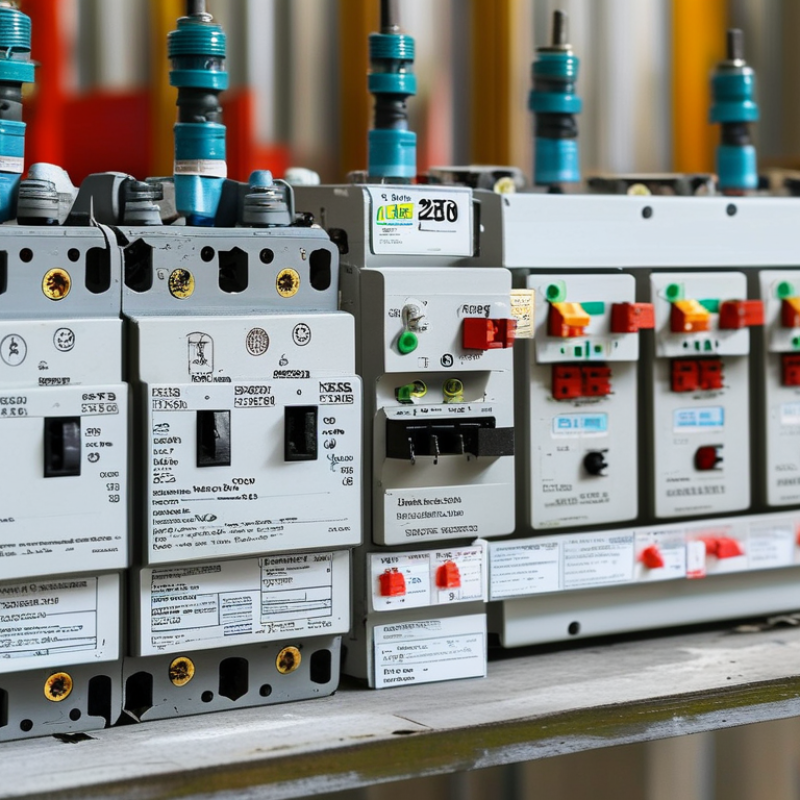
250 Amp Circuit Breaker Specifications and Common Applications
A 250 amp circuit breaker is designed for high-current distribution panels, industrial feeders, and large commercial equipment. Its rated current should match the conductor capacity and the expected continuous load. Oversizing can leave cables poorly protected.
Key specifications include rated voltage, interrupting capacity, pole configuration, and trip characteristics. A typical unit may use thermal-magnetic protection, while an electronic trip unit offers adjustable overload and short-circuit settings. Interrupting capacity, often shown in kA, must exceed the available fault current at the installation point. This detail is easy to miss. It matters greatly.
Common applications include motor control panels, backup power systems, HVAC plants, agricultural processing lines, and building main distribution boards. Three-pole models suit many three-phase systems, while four-pole versions can also switch the neutral. Installation space, terminal size, enclosure rating, and connection method affect suitability. A supplier quotation from China should clearly state these specifications, test reports, production lead time, and after-sales inspection support. Low price alone proves little. I would recheck the voltage and fault rating before ordering. Small specification errors can create expensive delays.
Key Factors That Influence 250 Amp Circuit Breaker Prices
A 250 Amp Circuit Breaker Price from China-based suppliers depends on more than factory assembly costs. The first variable is specification: thermal-magnetic or electronic trip, pole count, voltage, and interrupting capacity. A 25 kA device and a 65 kA device may share the same ampere rating, but their prices differ sharply. IEC 60947-2 testing, enclosure materials, calibration, and documented quality controls also add measurable costs. Ask for a complete bill of materials, test records, and the exact Incoterm. Not just a headline quote.
Copper, aluminum, steel, resin, and electronic components move with commodity and currency markets. The World Bank’s Commodity Markets Outlook reported copper averaging roughly US$8,500 per metric ton in 2023. That benchmark does not set breaker prices, but it explains quotation changes between production months. Freight, insurance, customs duties, packaging, and minimum order quantities can add more than expected. The International Energy Agency’s Electricity 2024 report forecasts average global electricity demand growth of 3.4% annually through 2026. This outlook may tighten equipment capacity during infrastructure investment cycles.
Supplier selection should compare landed cost, not factory price. Request samples, dimensional drawings, temperature-rise data, warranty terms, and spare trip-unit availability. A cheaper breaker can become expensive when testing, delays, or rejected shipments appear. In procurement reviews, a recurring weakness is trusting certificates without verifying their scope and issuing laboratory. That deserves skepticism. Also, 250 Amp may describe continuous rating, not the complete coordination requirement. Engineers should verify short-circuit ratings and system coordination before purchase.
Quality Standards, Certifications, and Product Verification
When comparing a 250 amp circuit breaker price from China, certification should guide the purchase.
A low quote means little without verified technical evidence. The breaker should match applicable standards, such as IEC 60947-2 or UL 489, depending on the installation market. Check the rated voltage, interrupting capacity, trip characteristics, and temperature-rise limits. These details affect safety and real operating cost.
Ask for a certificate that identifies the exact model, not only the product family. Confirm the issuing laboratory, certificate number, test date, and scope. A genuine report should match the nameplate, drawings, and packing labels.
Request routine test records for insulation resistance, mechanical operation, and pole synchronization. Independent sample testing adds confidence. It may also reveal weak terminals or inaccurate markings. No verification method is perfect, which is easy to forget.
Tips: Compare certificates with the physical sample. Inspect terminal size, enclosure condition, labels, and torque instructions. Ask for a video of the breaker operating under controlled testing. Use a third-party inspection before shipment when the order is significant. Also, keep one sealed sample for future comparison. Price still matters, but unexplained savings deserve careful questions. A supplier that answers clearly, corrects documents, and accepts reasonable testing usually appears more reliable.



 08045479132
 Send Inquiry

 Send Inquiry
 Send SMS