What Are the Benefits of Salicylic Acid for Skin Care?
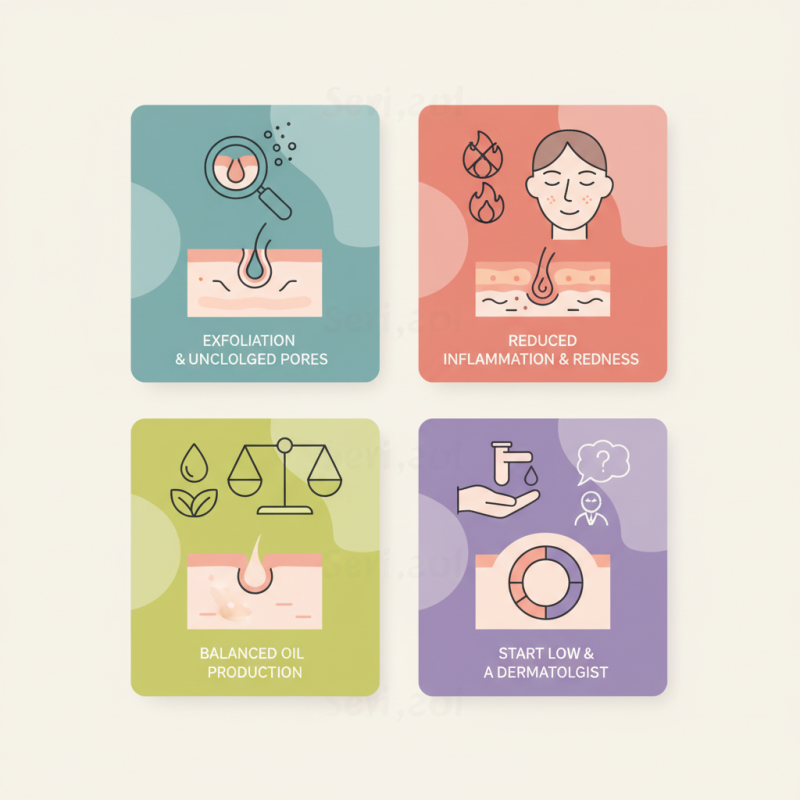
Salicylic Acid is a powerful ingredient in skin care. It is especially known for its ability to treat acne. Many people struggle with breakouts and blemishes. Salicylic Acid works by exfoliating the skin and unclogging pores. This helps prevent future breakouts.
One of the remarkable benefits of Salicylic Acid is its ability to reduce inflammation. Acne is often accompanied by redness and swelling. Using products that contain this acid can lead to clearer skin over time. It also helps to maintain a balanced oil production in the skin. This is essential for those with oily or combination skin types.
However, not everyone responds positively to Salicylic Acid. Some might experience irritation or dryness. It's vital to start with lower concentrations and observe how your skin reacts. Consulting with a dermatologist can enhance the experience. It ensures that this ingredient is suitable for your specific skin needs. With the right approach, Salicylic Acid can be a game changer in your skincare routine.
Understanding Salicylic Acid: A Key Ingredient in Skin Care
Salicylic acid plays a crucial role in modern skin care routines. This beta hydroxy acid (BHA) is known for its ability to penetrate deep into the pores, effectively dissolving excess oil and dead skin cells. According to a report from the American Academy of Dermatology, salicylic acid can decrease acne lesions by up to 80% within weeks of consistent use. Its keratolytic properties help to exfoliate the skin, making it a favored option for those battling acne and oily skin issues.
Many people experience varying results when using salicylic acid. While some see significant improvements, others may experience irritation or dryness. This disparity highlights the need for tailored skin care solutions. In a study published by the Journal of Cosmetic Dermatology, about 30% of participants reported experiencing mild side effects, such as redness or peeling. This underlines the importance of understanding one’s skin type and patch testing products before widespread application. Using salicylic acid responsibly can lead to clearer skin, but it demands careful consideration to minimize potential drawbacks.
The Mechanism of Action: How Salicylic Acid Works on the Skin
Salicylic acid is a powerful ingredient in skin care. Its primary function is to penetrate the skin deeply, helping to exfoliate and clear pores. This process reduces acne and prevents future breakouts. The acid works by loosening up dead skin cells, which can clog pores. It also has anti-inflammatory properties, which calm irritated skin and reduce redness.
When applied, salicylic acid starts to dissolve the debris within the pores. This action decreases the formation of blackheads and whiteheads. The exfoliating effect improves skin texture, making it smoother over time. However, it's essential to use it with caution. Overuse can lead to dryness and irritation. Finding the right balance is crucial for effective treatment.
Some people might experience initial breakouts when starting a salicylic acid regimen. This phenomenon can be concerning but is often temporary. The skin may purge impurities before showing improvement. Monitoring how your skin responds can help you adjust your routine accordingly. It's important to listen to your skin's needs and avoid pushing its limits.
Benefits for Acne-Prone Skin: Treatment and Prevention
Salicylic acid is a powerful ingredient known for its benefits in treating acne-prone skin. This beta-hydroxy acid penetrates the pores deeply, effectively unclogging them. When applied, it dissolves the debris and excess oil that can lead to breakouts. Many people find that regular use helps manage their acne better than superficial treatments.
Moreover, salicylic acid offers anti-inflammatory properties. It calms the skin and reduces redness associated with acne. This is essential for those who experience painful, cystic acne. However, it’s important to use it cautiously. Overuse can lead to dryness and irritation. Finding the right balance is key.
Some users report initial worsening of their acne after starting treatment. This rebound effect can be disheartening. It may take time for the skin to adjust. Monitoring the skin’s response is critical. If irritation occurs, consider reducing the frequency of application. Understanding your skin's needs will help you harness salicylic acid’s full potential.
Exfoliation and Skin Renewal: The Role of Salicylic Acid
Salicylic acid is a powerful ingredient celebrated for its ability to exfoliate the skin and promote renewal. As a beta hydroxy acid (BHA), it penetrates deep into pores, breaking down oil and dead skin cells. This action significantly reduces the appearance of acne and helps prevent breakouts. Regular use can transform dull skin into a brighter, more vibrant complexion.
Tips: Start by using salicylic acid in small concentrations. This helps your skin adjust gradually. Observe how your skin reacts over time. Some may experience dryness or irritation. Pair it with a good moisturizer to balance the effects.
Using salicylic acid doesn’t guarantee perfection. It may take weeks to see improvements. Individual results can vary based on skin type and concerns. It’s important to practice patience and be ready to tweak your routine as needed. Regular exfoliation with salicylic acid can lead to clearer skin, but awareness of your skin’s needs is crucial.
What Are the Benefits of Salicylic Acid for Skin Care?
| Benefit | Description |
| Exfoliation | Salicylic acid helps to remove dead skin cells, unclog pores, and reduce the risk of acne. |
| Oil Control | It helps in managing excess oil production, making it beneficial for oily and acne-prone skin types. |
| Anti-Inflammatory | Salicylic acid has anti-inflammatory properties that can soothe redness and irritation caused by acne. |
| Skin Renewal | Promotes skin cell turnover, aiding in the renewal of skin and improving overall texture. |
| Reduces Acne | Effective in treating and preventing acne breakouts by penetrating and clearing blocked pores. |
Safety and Usage: Best Practices for Incorporating Salicylic Acid
Incorporating salicylic acid into your skin care routine can provide significant benefits. It is crucial to use it correctly to achieve the desired results. Start gradually, applying it once or twice a week. This allows your skin to adjust without irritation. Observe how your skin reacts. If irritation occurs, reduce frequency.
When applying salicylic acid, use it after cleansing. A small amount is often enough. Apply it only to problematic areas like acne-prone zones. Avoid the eye area, as its sensitivity might lead to discomfort. Consider using a moisturizer afterward to combat dryness. This is especially important for sensitive skin types.
Many people overlook patch testing, which is vital for safety. Apply a small amount on your skin's inner arm for a few days. Monitor for any adverse reactions. Consistency is key, but don’t rush the process. Results vary from person to person. Reflection on your skin’s needs helps adjust your routine effectively.
Benefits of Salicylic Acid for Skin Care
This chart illustrates the key benefits of salicylic acid in skin care, rating them on a scale from 1 to 10. It highlights salicylic acid's efficacy in treating acne, exfoliating the skin, controlling oil production, minimizing pores, and its anti-inflammatory properties.



 08045479132
 Send Inquiry

 Send Inquiry
 Send SMS