Best VFD Drives for Motors What to Consider Before Buying?
When choosing a Vfd Drive For Motor applications, several factors demand careful consideration. The right VFD can significantly enhance the efficiency and performance of your motor system. However, not every drive suits every application. Each motor type has unique requirements for speed control, torque, and power consumption.
Selecting a VFD drive for motor means assessing the specific needs of your project. Consider the motor size and the starting torque required. The control method, whether there is a need for sensorless vector control or simple V/f control, is crucial. Furthermore, efficiency ratings and environmental conditions play a vital role in this decision-making process.
Ultimately, it’s about matching the VFD drive for motor with your operational goals. Engaging with knowledgeable suppliers can provide valuable insights. However, it's essential to research and verify the claims. Always reflect on the implications of your choice. A poorly matched VFD can lead to increased operational costs or reduced system performance.
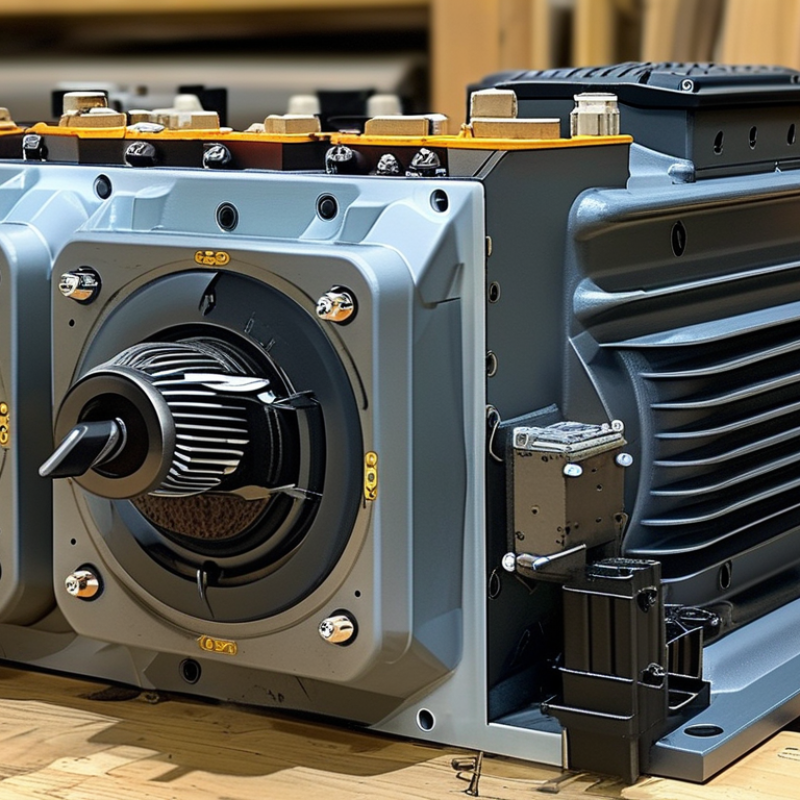
Understanding Variable Frequency Drives (VFD) and Their Functionality
Variable Frequency Drives (VFDs) are essential in controlling motor speed and torque. They adjust the frequency and voltage supplied to an electric motor. According to a report by Research and Markets, the global VFD market is projected to reach $16.1 billion by 2027. This growth highlights the increasing reliance on energy-efficient solutions. A VFD can typically reduce energy consumption by 20-50%. This efficiency is crucial for industries looking to lower operational costs.
Understanding VFD functionality is vital before making a purchase. VFDs provide precise speed control and can improve process control in applications like pumps and fans. However, selecting the right VFD can be challenging. Many users underestimate the importance of compatibility with existing systems. A lack of knowledge can lead to mismatched components, resulting in performance issues. Additionally, installation and maintenance expertise are often overlooked. Without skilled personnel, the potential benefits of VFDs may not be fully realized.
The choice of a VFD should also factor in environmental conditions. For instance, extreme temperatures or humidity can impact performance. A robust VFD must be chosen for harsh environments to ensure reliability. Not all applications require the same control strategy, either, so understanding your specific needs is crucial for optimal performance.
Key Factors to Consider When Choosing VFD Drives for Motors
When choosing VFD drives for motors, several key factors come into play. The first consideration is motor compatibility. Not all drives work with every motor type. Ensure the drive matches the motor's specifications. Power rating should be aligned with your motor's requirements. Underestimating power can lead to inefficiencies or failure.
Another factor is operational environment. If the drive will be exposed to extreme temperatures or humidity, select a drive that can withstand these conditions. Often, drives are rated for specific environments. Reviewing these ratings beforehand can save future headaches.
User interface is also vital. Intuitive controls can simplify operation and maintenance. Look for drives with clear displays and user-friendly programming. Complex drives may require additional training, which can be time-consuming and costly. Consider ease of integration as well. Some drives offer plug-and-play solutions, while others may require extensive installation efforts. Each aspect has its challenges, so weigh them carefully in the decision-making process.
Best VFD Drives for Motors - Key Factors to Consider
Different Types of VFD Drives and Their Applications
When exploring VFD drives for motors, understanding their types and applications is crucial. VFDs, or Variable Frequency Drives, come in several forms. The most common types include voltage source inverters and current source inverters. Each type serves different functions, tailored to specific motor requirements. For instance, voltage source inverters are often used in applications requiring high efficiency and precise control. Current source inverters, on the other hand, work well for high-power applications.
The choice of VFD type significantly impacts performance. Applications range from industrial machinery to HVAC systems. Selecting the wrong type could lead to inefficiency. It’s essential to evaluate the intended use. Factors such as load characteristics and speed requirements must be considered. Understanding these nuances is vital for optimal performance. Additionally, compatibility with existing systems is critical. Users may face challenges regarding installation and integration. These complexities highlight the importance of professional assessment before purchase. This ensures that the selected VFD aligns with both operational needs and budget constraints.
Assessing Motor Compatibility with VFD Drives
When considering VFD drives for motors, compatibility is crucial. Motors and VFDs must align to ensure optimal performance. According to industry reports, mismatched components can lead to efficiency losses of up to 30%. Manufacturers often specify compatible VFD ranges, making initial selection easier.
Motor type is another significant factor. Induction motors are commonly used with VFDs, but synchronous motors can offer higher efficiency. Always check the voltage and frequency ratings, as mismatches could cause overheating or reduced lifespan.
Tip: Verify the motor’s service factor. A higher service factor indicates resilience against overloads. This gives a safety margin when using VFDs, which is essential for achieving longevity.
Keep in mind that environmental conditions affect performance. Humidity and temperature can impact motor operation. Make sure your VFD is suitable for these conditions.
Tip: Review installation guidelines carefully. Many manufacturers provide detailed instructions that can prevent issues during setup. Proper installation boosts both performance and reliability.
Motor compatibility with VFDs is complex. It’s essential to consider all aspects, such as the operational environment and motor specifications. Neglecting these factors can lead to costly damages and downtime.
Evaluating Cost, Efficiency, and Performance of VFD Drives
When selecting a Variable Frequency Drive (VFD) for motors, evaluating cost, efficiency, and performance is crucial. A report by the U.S. Department of Energy highlights that proper use of VFDs can boost energy efficiency by 20-50%. Costs can vary significantly based on features and specifications. Basic models offer minimal functionalities, while advanced drives enable precise control over motor speed, enhancing operational efficiency.
Performance metrics are equally essential. Look for drives that showcase a good harmonics mitigation capability, as harmonics can adversely affect system reliability. A study from the International Energy Agency indicates that choosing high-performance VFDs can reduce total lifecycle costs, emphasizing the importance of long-term efficiency. Users must also consider how environmental conditions may play a role in drive selection, especially in harsh industrial settings. Not all drives perform optimally in such conditions, leading to potential inefficiencies.
Understanding these factors can be complex. Many users find themselves overwhelmed by the technical specifications. Anecdotal feedback suggests that some organizations overspend on features they don't need. It's crucial to align the drive's capabilities with actual operational requirements. Knowledge gaps often lead to buyers regretting their choices later. Therefore, a thorough analysis is essential before making a final decision to ensure alignment with specific project needs.
Best VFD Drives for Motors: What to Consider Before Buying
| Parameter | Value 1 | Value 2 | Value 3 |
| Power Rating (HP) | 1.5 | 3 | 5 |
| Input Voltage (V) | 230 | 460 | 575 |
| Efficiency (%) | 95 | 94 | 96 |
| Communication Protocol | Modbus | Ethernet | CANopen |
| Rated Output Current (A) | 6.4 | 7.3 | 10 |
| Price Range ($) | 200 - 400 | 300 - 600 | 500 - 800 |



 08045479132
 Send Inquiry

 Send Inquiry
 Send SMS