Change Language
Call Us08045479132

China Best Glucosamine Sulfate Potassium Chloride Supplier?

Choosing the best China Glucosamine Sulfate Potassium Chloride supplier requires more than comparing prices. Buyers need evidence, consistency, and transparent communication. This ingredient is commonly supplied as a white or off-white crystalline powder. Its quality can affect formulation stability, production efficiency, and customer confidence.

Dr. David T. Felson, a respected osteoarthritis researcher, has offered a useful caution: “Glucosamine is not a magic bullet.” That reminder also matters when selecting a supplier. Responsible manufacturers should provide a current Certificate of Analysis, clear testing methods, batch numbers, and traceable production records. Buyers should review assay results, identification, moisture, chloride content, potassium content, heavy metals, microbiological limits, and packaging conditions.

Small details matter.

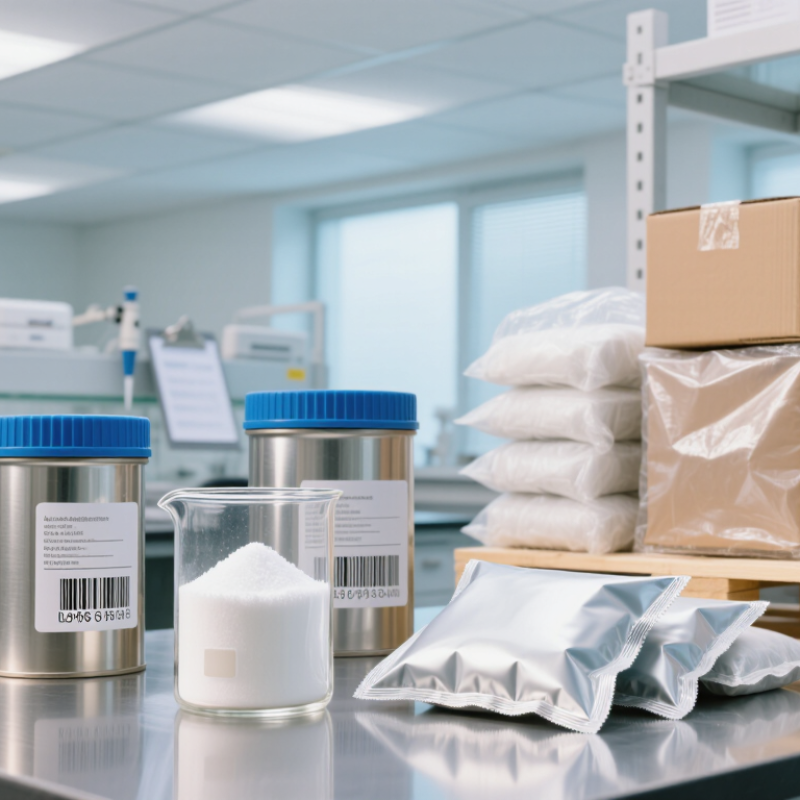
A reliable factory should explain whether its material is produced under recognized quality systems, such as GMP principles, and whether independent laboratory testing is available. Photos of sealed bags, pallet labels, and moisture-resistant inner packaging can reveal practical discipline. Technical support also matters. Experienced suppliers should answer questions about particle size, storage temperature, shelf life, and documentation without vague promises.

However, no supplier is perfect. A polished website does not prove stable quality. A low quotation may hide weaker testing or inconsistent batches. This is where buyers must slow down and verify.

The strongest China Glucosamine Sulfate Potassium Chloride supplier is not simply the cheapest option. It is the partner that combines documented quality, responsive service, realistic claims, and dependable delivery. That standard protects both manufacturers and end users.

China Best Glucosamine Sulfate Potassium Chloride Supplier?

Glucosamine Sulfate 2KCl: 2:1 Salt Structure and 98.0–102.0% Assay

China Best Glucosamine Sulfate Potassium Chloride Supplier?

Glucosamine Sulfate 2kcl is a defined salt, not simply glucosamine mixed with potassium chloride. Its structure uses two glucosamine sulfate units with potassium chloride. This 2:1 relationship affects identity, stability, and assay interpretation. A reliable supplier should explain this structure clearly. The stated assay range is 98.0–102.0%. That range needs a documented test method and clear calculation basis. Otherwise, the number may look precise but remain difficult to compare.

Tips: Request a recent certificate of analysis. Check glucosamine content, sulfate, potassium, chloride, water, and related substances. Ask whether testing uses a validated internal method or a recognized standard. Review batch numbers and manufacturing dates. Small details matter.

In practical raw-material reviews, identity testing should not rely on appearance alone. The powder should have consistent color, odor, particle behavior, and moisture control. Confirm that the 2KCl form matches the intended specification, rather than accepting a generic glucosamine sulfate description. A perfect-looking assay is not enough. One weakness in many evaluations is limited attention to method differences. Results can shift when laboratories use different reference standards or sample preparation steps. Supplier qualification should include traceable records, responsive technical support, and repeatable batch performance. Claims need evidence.

Glucosamine Sulfate 2KCl: Assay Specification and 2:1 Salt Structure

The commonly specified assay range for glucosamine sulfate 2KCl is 98.0–102.0%.

This chart presents the lower specification limit, nominal target, and upper specification limit for glucosamine sulfate 2KCl assay. The product name indicates a salt structure containing glucosamine sulfate with two potassium chloride units, commonly described as a 2:1 KCl-associated salt. Assay acceptance should always be confirmed against the applicable certificate of analysis and pharmacopeial or customer specification.

Pharmaceutical-Grade Testing: HPLC, Identity, Purity, and Heavy Metals

China Best Glucosamine Sulfate Potassium Chloride Supplier?

A reliable supplier should support every batch with pharmaceutical-grade testing. HPLC helps confirm the glucosamine sulfate profile and detect unexpected peaks. Identity testing verifies that the material matches the declared compound, not merely the label. Purity results should include clear methods, specifications, and actual values. Heavy metal testing is equally important, especially for materials used in regulated manufacturing. Ask for lead, arsenic, cadmium, and mercury results from a qualified laboratory. Batch numbers must match the certificate, packaging, and production records.

Tips: Request recent test reports, not only a generic certificate. Check the laboratory name, method reference, test date, and analyst approval. Confirm that sampling procedures are documented. A clean certificate is not enough. Experienced buyers also review supplier traceability, storage conditions, and deviation records before placing an order. These details often reveal more than a sales presentation.

No test plan is perfect. HPLC may confirm chemical consistency, but it does not replace proper identity testing or contamination controls. I would compare several batches, because one excellent report can create false confidence. A dependable supplier should answer technical questions clearly and provide evidence without avoiding inconvenient results. That level of transparency supports safer qualification and more consistent production.

China Supplier Evaluation: GMP Systems, ISO 9001, and Batch Traceability

For a China glucosamine sulfate potassium chloride supplier, GMP evidence should go beyond a polished certificate. The WHO Technical Report Series No. 986 describes GMP as a controlled system covering materials, production, testing, documentation, and personnel. Ask for the current GMP scope, inspection history, and corrective-action records. A certificate without scope is weak evidence.

ISO 9001 matters differently. The ISO Survey 2023 recorded about 1.26 million ISO 9001 certificates worldwide, showing broad adoption but not automatic product quality. Check whether the certification covers the actual manufacturing site and relevant chemical operations. Review change control, deviation handling, laboratory calibration, and out-of-specification investigations. Request recent anonymized batch records. Small details matter.

Traceability should work under pressure. Each batch should connect raw-material lots, operators, equipment, test results, packaging, and shipment records. A supplier should demonstrate this connection through a mock recall. Ask for a trace-back exercise within one business day. Test reports should identify assay, moisture, identity, chloride content, microbiological results, and analytical methods, where applicable. Confirm retention-sample policy and document revision control. The details can be imperfect. That is normal. Unexplained gaps are not. A practical audit may reveal stronger controls than a sales presentation, but buyers should still verify independently through third-party testing and periodic supplier reviews.

Global Compliance: USP, EP, BP, and EU/US Market Documentation

A reliable glucosamine sulfate potassium chloride supplier must provide more than a polished certificate. Grand View Research estimated the global glucosamine market at about USD 1.19 billion in 2023, with a projected 5.9% CAGR through 2030. This growth increases pressure on suppliers to prove quality across multiple markets.

USP, EP, and BP references should match the actual product specification, not appear as general claims. Buyers should request identity testing, assay results, related substances, residual solvents, microbial limits, elemental impurities, and potassium content. A complete Certificate of Analysis should identify the batch, test method, limits, and release date. Clear traceability matters.

For EU and US distribution, documentation may include GMP evidence, manufacturing-site details, stability data, allergen statements, TSE/BSE declarations, and controlled change-notification procedures.

The European Pharmacopoeia and USP–NF provide recognized quality frameworks, but their requirements are not automatically interchangeable. A supplier should explain each difference in writing.

Not every certificate proves readiness.

In practice, audit responses can be uneven. Some suppliers provide excellent assay data but weak stability evidence. That gap deserves attention before qualification. A dependable partner should support document review, retain samples, secure packaging, and consistent batch-to-batch performance. Quality is demonstrated over time, not only during the first shipment.

Supply Reliability: MOQ, Lead Time, Packaging, and 2026 Price Factors

Choosing a China-based glucosamine sulfate potassium chloride supplier requires more than comparing the lowest quotation. MOQ often depends on formulation, production scheduling, and packaging. Standard bulk orders may begin at several hundred kilograms, while smaller trial quantities can cost more per kilogram. Confirm whether the MOQ includes inner bags, cartons, pallets, and testing fees.

Lead time should be written clearly. Samples may take 7–14 days, while regular production often needs 20–35 days after deposit and artwork approval. Packaging details matter. Moisture-sensitive powder should use sealed inner bags, strong cartons, and dry pallet storage. Request a recent certificate of analysis, batch number, shelf-life data, and loading photographs. These records improve traceability, although documents alone cannot prove every handling condition.

Tips: Ask for two quotations. One should show standard packaging, and another should show customized packaging. Compare the full landed cost, not only the product price. For 2026, pricing may shift with glucosamine raw materials, potassium chloride availability, energy costs, ocean freight, exchange rates, and testing requirements. A supplier offering a fixed annual price may sound reassuring, but the contract terms deserve careful review. I have seen attractive quotes change after packaging or freight was added. That is easy to miss. Keep a small contingency budget, and verify production capacity before committing to a larger MOQ.

China Best Glucosamine Sulfate Potassium Chloride Supplier? - Supply Reliability: MOQ, Lead Time, Packaging, and 2026 Price Factors

Supply Dimension Typical Market Reference Reliability Check 2026 Price or Risk Factor
Product identity Glucosamine sulfate potassium chloride, commonly supplied as a pharmaceutical or nutraceutical-grade powder; CAS and specification should be confirmed on the supplier’s current documentation. Request a current Certificate of Analysis, Safety Data Sheet, specification sheet, and batch traceability records before approval. Grade, assay method, impurity limits, regulatory destination, and documentation level can materially change the quoted price.
Indicative MOQ Approximately 25–100 kg for standard stock or trial orders; 500–1,000 kg is more common for production-oriented orders. Confirm whether the MOQ applies per product, per grade, per batch, or per packaging format. Smaller MOQs generally carry higher unit prices because of testing, handling, repacking, and export-document costs.
Sample availability Commonly 100–500 g for laboratory evaluation, subject to stock and hazardous-goods or courier requirements. The sample should carry a lot number that can be linked to the production or inventory batch offered for commercial supply. Sample freight, customs clearance, and analytical testing may be charged separately from the material price.
Standard production lead time Approximately 15–30 business days after technical confirmation, payment, and packaging approval. Ask for a written production schedule, release date, and contingency plan for raw-material or laboratory delays. Lead time may extend during peak export periods, plant maintenance, environmental inspections, or raw-material shortages.
Stock-order lead time Approximately 5–15 business days when conforming stock is available and only final inspection or repacking is required. Verify the stock date, remaining shelf life, storage conditions, and whether the material is reserved for another customer. Older inventory may be cheaper but can increase shelf-life, retesting, and acceptance risk.
Primary packaging Common commercial formats include sealed polyethylene inner bags placed in fiber drums or reinforced export cartons; 25 kg net is a frequent reference size. Confirm food-contact suitability where applicable, tamper evidence, liner thickness, net-weight tolerance, and pallet configuration. Custom labels, smaller packs, moisture barriers, and upgraded drums increase packaging and labor costs.
Shipping configuration Typical export shipments use palletized cartons or drums with stretch wrap, corner protection, and moisture-resistant outer packaging. Request carton dimensions, gross weight, pallet count, loading photos, and container utilization before shipment. Ocean freight, port congestion, fuel surcharges, and destination handling can substantially affect landed cost.
Indicative bulk price planning range For preliminary budgeting only, approximately USD 8–18 per kg for standard bulk material; actual quotations may fall outside this range. Compare equivalent grade, assay basis, packaging, Incoterm, payment terms, and test requirements rather than comparing unit price alone. The range is sensitive to glucosamine raw-material cost, potassium chloride cost, energy, labor, exchange rates, order volume, and freight.
Price basis and Incoterm Quotes may be provided on EXW, FOB, CIF, or DDP terms. The same product can show a significantly different price under each term. Require the currency, validity period, port, freight inclusion, insurance responsibility, taxes, and destination charges in writing. Short quote-validity periods are common when freight, currency, or upstream material costs are volatile.
Quality documentation A commercial document package commonly includes COA, SDS, specification sheet, packing list, commercial invoice, and certificate of origin where required. For regulated applications, verify GMP status, allergen and contamination controls, residual-solvent information, and audit availability. Additional independent testing, audits, certifications, and destination-specific compliance documents add cost and time.
Shelf life and storage Many commercial powders are assigned a shelf life of about 24–36 months when kept sealed in a cool, dry place; the approved period must come from the product specification. Check manufacturing date, retest date, storage statement, humidity controls, and transport exposure before accepting the shipment. Moisture protection and temperature-controlled or expedited transport may be required for long routes or humid destinations.
Supply continuity indicators Strong indicators include multiple qualified raw-material sources, documented batch release, repeat production history, safety stock, and a defined change-notification process. Request recent on-time delivery performance, capacity information, backup production arrangements, and a written procedure for specification changes. Dual sourcing, safety stock, and annual framework contracts can reduce interruption risk but may require higher committed volumes.

Note: Price, MOQ, lead time, packaging, shelf life, and documentation requirements are indicative planning benchmarks for 2026 and must be confirmed against the final product specification, destination regulations, order volume, and Incoterm.

Back to top