How to Choose Adult Diaper Pants for Global Sourcing?
Choosing an Adult Diaper Pant for global sourcing involves more than comparing prices and absorbency numbers. Buyers must examine fit, materials, production stability, packaging, and user comfort. A product may look efficient in a catalog yet feel stiff, noisy, or unreliable during daily movement. Small details matter. Waist elasticity matters. So does the softness of the inner sheet.
Professor Ian Milsom, a recognized continence-care researcher, has stated, “Product choice should reflect the user’s needs, lifestyle, and dignity.” This principle should guide every sourcing decision. A strong Adult Diaper Pant should support walking, sitting, sleeping, and discreet changes. Buyers should request samples and test them under realistic conditions. Check leakage protection after several hours. Inspect the leg gathers, adhesive performance, odor control, and tear-away sides. Do not rely on photographs alone.
Global sourcing also requires disciplined supplier evaluation. Review factory experience, quality-control procedures, production capacity, customization options, and shipment consistency. Ask for clear technical data, not vague promises. Packaging should protect hygiene and remain practical for transport and retail display. Sustainability claims deserve evidence. They can sound impressive.
No supplier is perfect. That is worth remembering. A spreadsheet may hide uncomfortable seams or inconsistent sizing. A low unit price may create higher return costs later. Compare total value instead. The best choice balances protection, dignity, comfort, dependable supply, and responsible communication. A careful sourcing process does not remove every risk, but it makes each risk visible before a purchase decision.
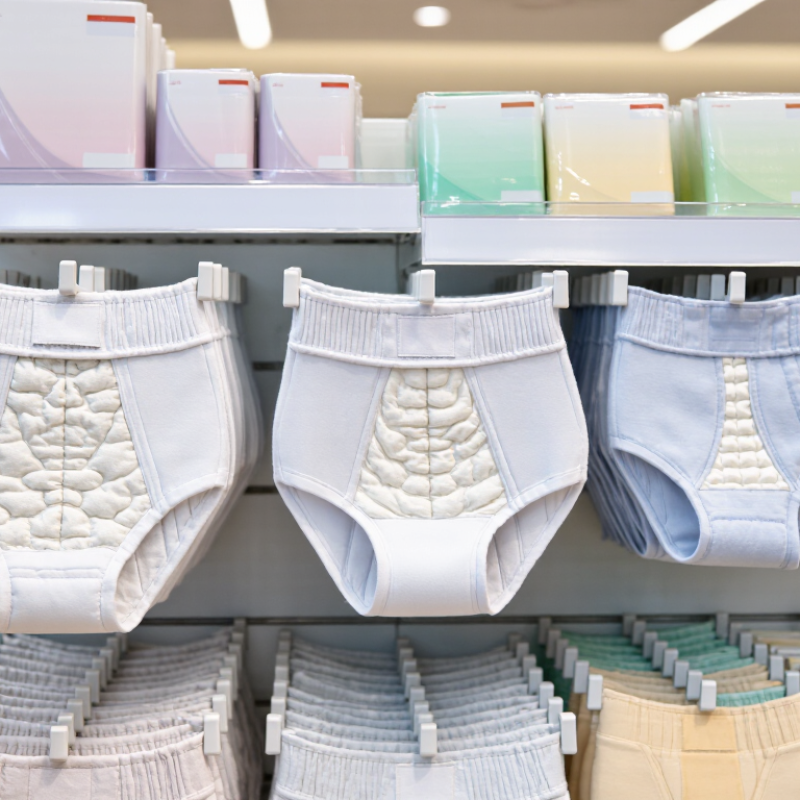
Define the Needs of the Target Users and Markets
Choosing adult diaper pants for global sourcing starts with the target user, not the product catalogue. Needs differ. A mobile user may value a slim fit, flexible waist, and quiet material. A bedridden user may need stronger side leakage protection and higher absorbency. Caregivers often prioritize easy tear-away sides, clear front markings, and stable sizing. These details affect comfort, dignity, and daily handling.
Market conditions also change product requirements. In hot, humid regions, breathable backsheet materials can reduce discomfort, but they must still resist leakage during extended wear. Cold markets may require better capacity because users often wear thicker clothing. Review local body measurements rather than relying only on standard size labels. A medium in one market may fit like a small elsewhere. Check local language, package symbols, and disposal guidance before approving artwork.
Use real samples with representative users and caregivers. Ask them to walk, sit, sleep, and change the pants under normal conditions. Record leakage, skin redness, odor control, tearing, and waistband pressure. Laboratory absorbency data helps, but it cannot fully predict daily performance. This is where sourcing decisions sometimes go wrong. A higher capacity product may feel bulky and discourage regular use. Request production samples, not only showroom samples, and inspect batch consistency, seal strength, and material softness. Document every finding, including negative feedback, before negotiating price or placing a larger order.
Compare Absorbency, Fit, Materials, and Product Features
Global sourcing starts with a clear comparison of absorbency, fit, materials, and useful features. Absorbency should match the wearer’s usage period, not simply the highest stated capacity. Request test samples and measure leakage during movement, sitting, and overnight use. A practical test often reveals weaknesses hidden by product descriptions.
Fit affects comfort, skin protection, and purchasing reliability. Check waist stretch, leg openings, side panels, and size consistency across production batches. Materials should feel soft, remain breathable, and resist tearing during application. Suppliers should provide material specifications, inspection records, and consistent sample results. Features such as wetness indicators, resealable tabs, odor control, and tear-away sides can improve handling, but every feature adds cost. I have sometimes valued extra functions too highly. Simpler designs may perform better in real care settings.
Tips: Compare samples using the same liquid volume and testing time. Ask for measurements, not vague claims. Review packaging strength for long-distance shipping. Confirm quality checks before placing large orders. A useful scorecard should include comfort, leakage control, material feel, fit accuracy, and total landed cost. Leave room for revision. Supplier communication can be clear, yet small production differences still appear.
Check Quality Standards, Certifications, and Supplier Reliability
How to Choose Adult Diaper Pants for Global Sourcing?
Global demand is becoming more complex. The UN DESA World Social Report 2023 projects that one in six people will be over 60 by 2030. This demographic shift increases demand for discreet, dependable incontinence products. Buyers should check absorbency, leakage protection, skin comfort, and fit across several body sizes. ISO 11948-1 testing can help verify liquid absorption performance. However, laboratory results may not reflect daily use. Request samples, then conduct wear trials in realistic conditions.
Certificates deserve careful review. ISO 9001 supports quality management, while ISO 13485 may apply when products are managed as medical devices. OEKO-TEX certification can provide evidence about restricted substances in tested materials. Always verify certificate numbers, issuing bodies, product scope, and expiry dates. A certificate is not proof of every shipment. Ask for batch test reports, raw-material traceability, hygiene controls, and corrective-action records. Supplier reliability also requires factory audits, production-capacity checks, delivery history, and documented complaint rates. The World Health Organization’s 2023 report on ageing highlights the need for person-centred care, including dignity and comfort. That standard should influence sourcing decisions. Cheap products can become expensive through returns, skin complaints, and delayed deliveries. I would still question impressive paperwork without independent testing. Small details matter.
How to Choose Adult Diaper Pants for Global Sourcing?
Key international standards to consider when checking product performance, quality systems, and supplier reliability
ISO 11948-1 and ISO 11948-2 provide established methods for evaluating the absorption performance of urine-absorbing aids. ISO 9001 supports quality-management-system verification, while ISO 13485 may be relevant when products are manufactured or marketed within a medical-device regulatory framework. ISO 14001 can support environmental-management verification. Always confirm certificate validity, scope, issuing body, factory address, and whether the certification applies to the specific production site and product category.



 08045479132
 Send Inquiry

 Send Inquiry
 Send SMS
