How to Choose the Best Energy Storage Connector for Your Needs?
Choosing the right Energy Storage Connector is crucial for efficiency and safety in energy systems. These connectors play a vital role in the performance of batteries and energy storage applications. Not all connectors are created equal. Each type has distinct features that suit specific needs.
When assessing your options, consider factors such as voltage, current rating, and environmental conditions. Specialized connectors can assure reliable connections under challenging situations. However, many users often overlook minor details. This can lead to inefficient energy transfer or even safety risks.
Ultimately, your choice should align with your project's demands. It involves a balance between performance, cost, and reliability. Remember, the right Energy Storage Connector can make all the difference in your energy storage system's effectiveness.
Understanding the Basics of Energy Storage Connectors
Energy storage connectors play a vital role in ensuring efficient energy management. Understanding the basics is crucial for making informed decisions. They connect energy storage systems, like batteries and inverters, to ensure reliable power transfer. Knowing the types, such as DC and AC connectors, helps in choosing the right one. Each type has specific applications, advantages, and limitations.
Consider the materials used in connectors. Copper and aluminum are common choices. Their conductivity impacts performance and longevity. Corrosion resistance is also essential. Look for connectors that withstand environmental conditions. Evaluate the environment where the connectors will operate. Heat, moisture, and dirt can affect durability. Don’t overlook safety features. Proper insulation and locking mechanisms can prevent accidental disconnections.
Evaluate your storage needs carefully. Do you require fast charging? Or is slow, steady energy transfer sufficient? Think about future scalability as your energy needs may change. Feedback from industry experts can guide your choices, but remain aware of evolving technologies. The landscape of energy storage is constantly improving, so staying informed is key. It's a collaborative process, relying on both data and experience.
Key Factors to Consider in Selecting Energy Storage Connectors
When selecting an energy storage connector, several key factors come into play. The performance of the connector is crucial. Researchers indicate that over 30% of energy loss can be attributed to inefficient connectors. An optimal connector should ensure minimal resistance and heat generation during operation. Look for connectors that can handle high currents, typically exceeding 100A, especially for larger energy systems.
Compatibility is another vital consideration. Different storage systems have various voltage and current specifications. It's important to choose connectors that align seamlessly with your energy storage solutions. A study found that mismatched connectors can lead to significant performance issues, sometimes causing up to 15% reduction in energy efficiency.
Safety features cannot be overlooked. Connectors must meet industry standards and be tested for high-stress conditions. Unreliable connectors can lead to hazardous situations, including electrical fires. According to the National Fire Protection Association, improper connections account for about 10% of energy-related fire incidents. Always prioritize connectors that have robust safety certifications. Your choice of connectors can significantly impact energy reliability and safety.
Types of Energy Storage Connectors and Their Applications
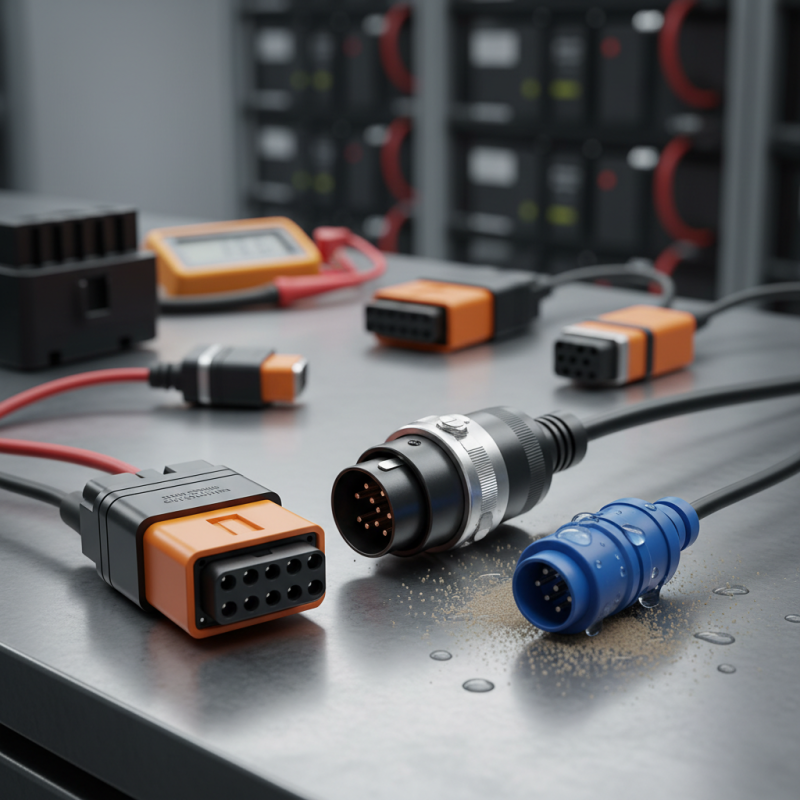
Energy storage connectors play a crucial role in the efficacy of energy systems. They ensure reliable connections between batteries and inverters, impacting overall efficiency. The most common types include Anderson connectors, XT60, and SAE connectors. Each type has distinct properties tailored for specific applications. For instance, Anderson connectors are ideal for high-current applications, while XT60 connectors are prevalent in hobbyist markets due to their lightweight and versatile uses.
Recent industry reports indicate that the global energy storage market is expected to grow significantly, reaching over $300 billion by 2026. As demand rises, selecting the right connectors becomes increasingly vital. Suitable connectors can reduce energy loss and enhance performance. Improper choices may lead to issues, such as high resistance and overheating.
Tip: Always check the current ratings of connectors. Overloading can create hazards. Furthermore, consider the environmental conditions in which they will operate. Some connectors are better suited for harsh conditions. Be mindful of these aspects when selecting connectors to ensure long-term reliability and operational efficiency.
Evaluating Compatibility with Energy Storage Systems
When selecting an energy storage connector, compatibility is crucial. Not all connectors work seamlessly with every energy storage system. Research indicates that nearly 30% of compatibility issues stem from mismatched connectors. This can lead to inefficiencies and safety hazards. Understanding the technical specifications of connectors and energy systems is vital.
For instance, standardized connectors such as ANSI C12.18 ensure better compatibility. These connectors adhere to rigorous testing standards, improving reliability. However, some manufacturers may deviate from these standards, causing potential disconnects. Industry reports reveal that improper connections can reduce system efficiency by up to 15%. It’s essential to evaluate every component in your setup.
Buyers must also consider the environmental factors affecting connectors. Temperatures, humidity, and even dust can impact connector performance. A study highlighted that inadequate sealing can lead to degradation faster than expected. Therefore, verifying the suitability of connectors for specific conditions is necessary. Making informed choices can prevent future upkeep challenges and enhance overall system performance.
Installation and Maintenance Considerations for Connectors
When considering energy storage connectors, installation and maintenance are critical factors. Proper installation can enhance the performance and lifespan of connectors. Data shows that improper connections lead to a 30% increase in system failures. Ensuring that connectors are securely fastened and correctly oriented minimizes risks.
Maintenance of energy storage connectors also plays a vital role. Regular inspections can identify wear and corrosion. Reports indicate that neglecting maintenance can reduce system efficiency by 15%. Cleaning connections and checking for loose parts are essential steps. This proactive approach helps avoid costly repairs and downtime.
Another aspect to reflect on is the choice of materials. Not all connectors are made to withstand extreme conditions. Some materials may degrade faster under high temperatures, leading to failures. Understanding the environmental factors of your installation site is critical. Ultimately, the right combination of installation practices and ongoing maintenance can greatly enhance the longevity of energy storage systems.
How to Choose the Best Energy Storage Connector for Your Needs? - Installation and Maintenance Considerations for Connectors
| Connector Type | Voltage Rating (V) | Current Rating (A) | Temperature Range (°C) | Connector Material | Installation Complexity |
| Type A | 600 | 30 | -20 to 85 | Metal | Medium |
| Type B | 300 | 50 | -30 to 75 | Plastic | Low |
| Type C | 1000 | 20 | -40 to 90 | Metal | High |
| Type D | 400 | 40 | -25 to 85 | Plastic | Medium |



 08045479132
 Send Inquiry

 Send Inquiry
 Send SMS