Top 5 Tips for Choosing the Right Cantilever Racking System?
In the fast-paced world of warehousing and storage, selecting the right Cantilever Racking system can make a significant difference. A well-chosen system optimizes space and improves efficiency. According to the Material Handling Industry of America, effective racking solutions can increase storage capacity by up to 30%. This highlights the importance of smart decisions in racking systems.
Cantilever Racking is particularly valuable for storing long items like pipes and lumber. Research shows that businesses adopting this system experience a 25% reduction in retrieval times. However, not all Cantilever Racking systems are created equal. Selecting the wrong type can lead to inefficiencies and increased costs.
Reflecting on past experiences, companies have faced challenges due to improper racking choices. The consequences can include damaged goods and safety hazards. It is crucial to understand specific needs and environmental factors in your warehouse before making a decision. Ignoring these aspects can result in a system that fails to meet demands. This guide aims to provide practical tips for making informed choices in Cantilever Racking systems.
Understanding the Basics of Cantilever Racking Systems
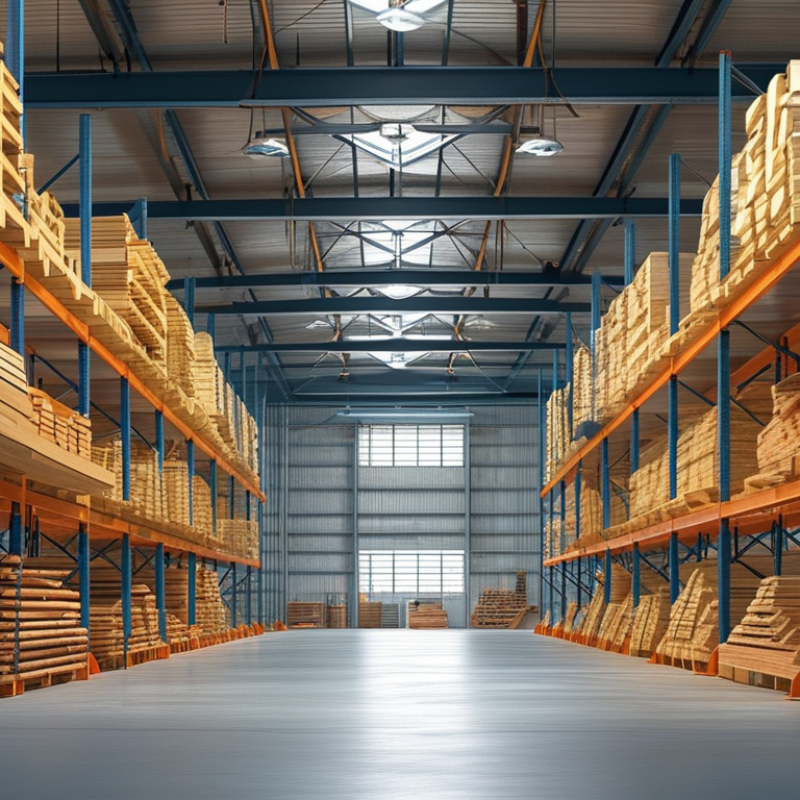
Cantilever racking systems are essential in warehousing. They efficiently store long items like pipes or lumber. Understanding their design is vital for maximizing space and safety. According to a 2022 industry report, 40% of warehouse space can be wasted without proper racking solutions.
The structure typically consists of vertical uprights and horizontally extending arms. This design allows for easy access to stored items. A study from a logistics firm highlighted that using cantilever racks can increase warehouse efficiency by up to 30%. However, not all systems are created equal. Factors like material strength and weight capacity should be assessed.
Installation can be tricky. Proper alignment is crucial for stability. Poorly installed racks can lead to accidents, costing businesses time and money. Inadequate training for staff can also create safety risks. Regular inspections are essential to maintain the integrity of the system. Adopting a proactive approach ensures that racking systems support operational needs effectively.
Evaluating Your Storage Needs and Space Requirements
When evaluating your storage needs for a cantilever racking system, it’s crucial to assess the type and volume of items stored. The National Institute of Standards and Technology states that over 30% of warehouse space is underutilized due to poor design. Understanding your inventory can help optimize space usage. For instance, consider the dimensions of your longest items. If they exceed 12 feet, a racking system must accommodate that length without compromising stability.
Next, analyze your warehouse layout. A good design can reduce travel time by 30% or more, according to logistics studies. Evaluate aisle widths and the flow of materials. A well-planned layout allows for easy access. However, many companies miss this step, resulting in congested space and inefficient operations. Assessing vertical space is also important. Relying on cantilever racks can increase vertical storage, saving floor space. Remember, your choice should reflect daily operations and future growth potential.
Determining Load Capacity and Weight Distribution Factors
When selecting a cantilever racking system, understanding load capacity and weight distribution is crucial. Load capacity refers to the maximum weight a rack can hold safely. This factor affects both the safety and efficiency of your storage. Underestimating load capacity can lead to serious accidents. Every component of the racking system, including the beams and uprights, has a specific load rating.
Weight distribution plays a vital role in maintaining stability. Properly distributing weight across the racking system helps avoid tipping or structural failure. This involves placing heavier items on lower shelves to lower the center of gravity. Misplacing weight can lead to unsafe conditions. Always check the load limits on your racking system and consider how items are arranged for optimal safety. This may take time, but it ensures reliability and can save costs in the long run.
Consulting with a professional can enhance your understanding of these factors. While self-assessment is valuable, expert advice can pinpoint potential issues. It’s essential to stay informed about regulations pertaining to racking systems as well. Overconfidence in your knowledge can lead to mistakes. Always question if your system meets the required safety standards. Testing your setup periodically can prevent unforeseen failures. Your approach to load capacity and weight distribution will ultimately define the effectiveness of your cantilever racking system.
Top 5 Tips for Choosing the Right Cantilever Racking System
| Tip Number | Tip | Importance | Considerations |
| 1 | Determine Load Capacity | High | Assess your heaviest items and their total weight. |
| 2 | Understand Weight Distribution | High | Ensure the weight is evenly distributed to avoid tipping. |
| 3 | Assess Available Space | Medium | Measure the area to accommodate the racking system. |
| 4 | Choose the Right Material | Medium | Consider steel vs. other materials based on your requirements. |
| 5 | Compliance with Safety Standards | High | Ensure racking meets local and industry safety regulations. |
Exploring Material Options and Durability Considerations
When selecting a cantilever racking system, material options and durability are crucial. Many businesses overlook the significance of these factors. Steel is a popular choice due to its strength and resilience. According to industry reports, steel racking systems can support loads between 1,000 to 10,000 pounds per arm, making them ideal for heavy items. Choosing the right gauge of steel is vital. Thicker gauges provide better durability but may increase costs.
Another material option is aluminum. While lighter, aluminum systems often support lower weight capacities compared to steel. However, they offer excellent corrosion resistance, which is beneficial in humid environments. An industry study indicated that aluminum racking can last up to 20 years with appropriate maintenance.
Durability also involves considering environmental factors. Systems exposed to harsh conditions may wear out faster. For example, systems in warehouses with high humidity might require more frequent inspections. Proper maintenance routines can extend the lifespan of racking systems. Investing in quality materials and regularly checking for wear and tear may save costs in the long run. Thus, making informed decisions is essential for optimizing operational efficiency.
Assessing Cost and Installation Requirements for Your Racking System
Choosing the right cantilever racking system involves careful consideration of costs and installation requirements. Begin by assessing your budget. The upfront cost of a racking system can vary widely based on size and materials. Make sure to factor in long-term benefits and potential savings on space. A more expensive upfront investment can lead to greater efficiency and lower operational costs over time.
Installation costs also play a significant role. Some systems require professional installation, which can add to your budget. Evaluate whether your team has the skills to install the racks themselves. DIY installation can save money, but it may take longer and need reinforcements later. It’s essential to weigh the pros and cons of both options, as improper installation risks your entire operation's safety.
Finally, consider the ongoing maintenance required for your chosen system. Some materials, like steel, may demand less upkeep than others. Ensure you have a maintenance plan in place. This helps avoid unexpected costs that can arise from neglect. Reflect on your operations and think critically about what works best for your facility's unique needs.
Cost and Installation Requirements for Cantilever Racking Systems
This bar chart provides an overview of the cost and installation requirements associated with two different cantilever racking systems. It includes dimensions for materials cost, installation cost, maintenance cost, space utilization, and load capacity to help users assess which system best meets their needs.



 08045479132
 Send Inquiry

 Send Inquiry
 Send SMS