Essential Tips for Choosing the Right Damper Actuator?
Choosing the right Damper Actuator is crucial for efficient HVAC systems. The damper actuator controls airflow, which affects energy consumption and comfort levels. Selecting the wrong actuator can lead to system inefficiencies.
Consider the size and type of your damper. A mismatch can cause operational problems. Make sure to assess compatibility with your existing system. Look at response time and control accuracy. These factors can significantly impact overall performance.
Different applications require different features. Some environments may demand robust actuators that can withstand harsh conditions. Others may prioritize energy efficiency. Reflect on your specific needs. The right damper actuator can make all the difference in optimizing airflow and maintaining system reliability.
Understanding the Functionality of Damper Actuators
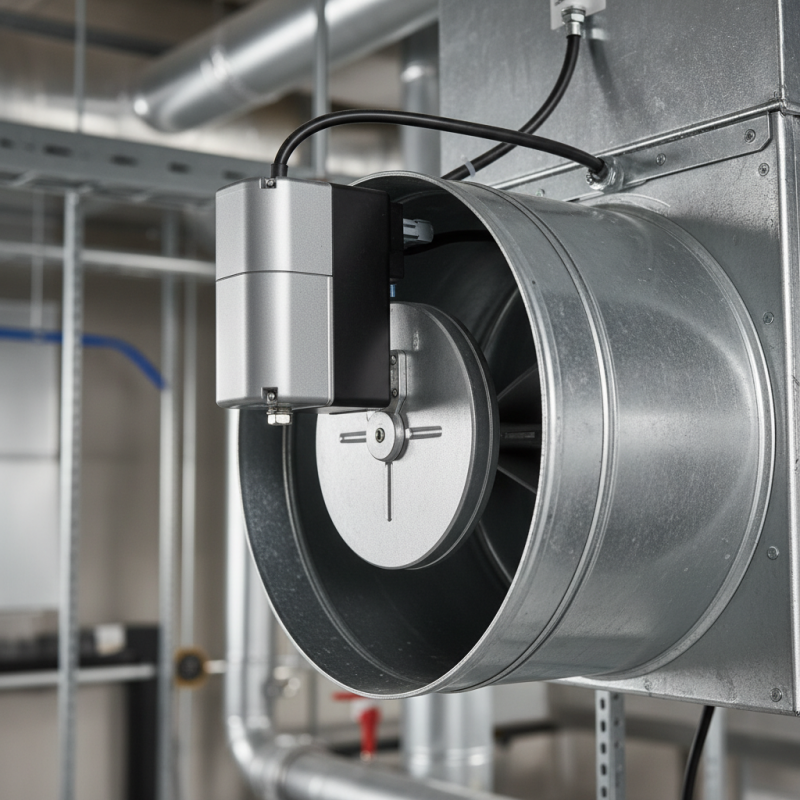
Damper actuators play a crucial role in HVAC systems. They control the airflow by adjusting dampers within ductwork. Understanding how these devices function can significantly impact system efficiency. There are two main types: electronic and pneumatic. Each has distinct features that cater to various requirements.
When choosing the right damper actuator, consider these tips. Evaluate the environment where it will be installed. Humidity or temperature extremes can affect performance. Next, think about the control system. Is it digital or analog? Matching compatibility is essential for seamless operation. Additionally, consider the actuator’s torque requirements. Too little torque may lead to improper damper operation.
Maintenance is key to longevity. Regular inspections can prevent failures. Look for wear signs and function tests. Always ensure that the installation complies with best practices. Small oversights can lead to significant issues later on. Achieving the right balance takes time and effort, but the payoff in efficiency is worth it.
Key Factors to Consider When Selecting a Damper Actuator
When selecting a damper actuator, several key factors should be carefully considered. The actuator’s torque capacity is vital. It should match the specific requirements of the damper it operates. According to industry reports, nearly 25% of damper actuator failures are linked to insufficient torque. Proper torque analysis can prevent costly issues down the line.
Another crucial factor is the actuator's control type. Addressing whether you need modulating control or simply on/off status is essential. Many systems rely on precise adjustments. Data shows that systems with incorrect control types face a 30% decrease in efficiency. This can lead to energy waste and increased operational costs.
Environmental conditions shouldn’t be overlooked. The actuator must perform under the intended temperature and humidity levels. Rough conditions can reduce actuator lifespan. Research indicates that 15% of actuator replacements are due to environmental wear. Ensure you assess the working environment before making a choice. Always consider these aspects to enhance performance and reliability.
Types of Damper Actuators and Their Suitable Applications
When choosing a damper actuator, understanding its types and suitable applications is crucial. Generally, there are two main categories: electric and pneumatic actuators. Electric actuators are often appreciated for their precision and control. They are typically used in HVAC applications where precise positioning is necessary. In contrast, pneumatic actuators are favored in environments with high cycle rates and quick response needs.
A recent report highlights that electric actuators account for roughly 55% of the market share in HVAC systems due to their energy efficiency. However, some industries still rely heavily on pneumatic actuators, especially in manufacturing settings where speed is necessary. The choice should often reflect operational requirements. For instance, in environments with harsh conditions, a pneumatically powered actuator might be more suitable.
Nonetheless, users sometimes struggle with these choices. Selecting the wrong actuator can lead to inefficiencies. It may not perform adequately or fail prematurely, which can result in increased costs. Understanding the specific characteristics of each type can prevent missteps. For example, electric actuators may not perform well in extreme temperatures. Evaluating these limitations is essential for achieving optimal performance in your applications.
Assessing Technical Specifications: What You Need to Know
When choosing a damper actuator, understanding technical specifications is crucial. Key factors include the actuator's torque, speed, and type. These elements will determine performance in your specific application. For instance, a higher torque rating can handle larger dampers, while speed may affect how quickly your system responds to changes.
Consider control methods as well. Is it electric, pneumatic, or hydraulic? Each has advantages and drawbacks. Electric actuators can offer precise control but might require more power. Pneumatic options are often quicker but may vary with pressure fluctuations. If you overlook these details, you may face operational issues down the line.
Don’t forget to factor in environmental conditions. Temperature, humidity, and exposure to dust can influence actuator selection. Also, think about the lifecycle costs. Sometimes, cheaper options may lead to higher expenses due to repairs and maintenance. Reflect on these aspects carefully, as they impact overall efficiency and reliability.
Essential Tips for Choosing the Right Damper Actuator
| Specification | Description | Importance |
| Torque Rating | The maximum torque the actuator can generate. | Critical for ensuring it can handle the damper size and pressure conditions. |
| Power Supply | Voltage and current requirements for operation. | Helps determine compatibility with existing systems. |
| Response Time | Time taken to achieve full displacement after receiving a signal. | Important for applications requiring fast adjustments. |
| Environmental Rating | IP rating indicating dust and water resistance. | Ensures durability in harsh conditions. |
| Control Type | Type of control signal used (analog, digital, etc.). | Affects integration with control systems. |
| Mounting Style | Configuration options for installation. | Critical for ensuring proper fit in applications. |
Common Mistakes to Avoid When Choosing a Damper Actuator
Choosing the right damper actuator is crucial for HVAC efficiency. There are common mistakes that can lead to issues. One major error is miscalculating the torque requirements. A report from the American Society of Heating, Refrigerating and Air-Conditioning Engineers (ASHRAE) highlights that 30% of system inefficiencies come from under-specifying torque.
Another frequent mistake is neglecting actuator speed. If the actuator is too slow, the system's response will lag. Data indicates that proper response times can enhance energy efficiency by up to 20%. Consider the control signal type as well. Many overlook the compatibility of electric or pneumatic signals, leading to installation headaches.
Inadequate consideration for environmental factors can also be problematic. For instance, actuators in harsh conditions may fail sooner. Studies reveal that this could reduce lifespan by nearly 50%. It's vital to not only focus on specifications but also on real-world applications. Reflect on your choices and be wary of a one-size-fits-all mentality.



 08045479132
 Send Inquiry

 Send Inquiry
 Send SMS