How to Choose the Best Smart Intercom for Your Needs?
In today's rapidly advancing digital landscape, choosing the right smart intercom is crucial for modern homes. The global smart intercom market is projected to reach $10 billion by 2025, reflecting a growing demand for secure communication systems. With an increase in smart home integration, having a reliable intercom system enhances both safety and convenience.
Smart intercoms provide features that allow homeowners to communicate remotely. Video capability, two-way audio, and mobile app integration are essential elements to consider. A survey from the Consumer Technology Association indicates that 67% of homeowners prioritize security when selecting smart devices. This trend underscores the importance of making informed decisions in this tech-driven era.
Many available options might seem overwhelming. Not all models meet specific needs or expectations. It is essential to evaluate features, compatibility, and user reviews. Some users report technical issues with setup or connectivity, highlighting the need for thorough research. Balancing functionality with reliability is key in identifying the best smart intercom for your requirements.
Understanding Different Types of Smart Intercom Systems Available Today
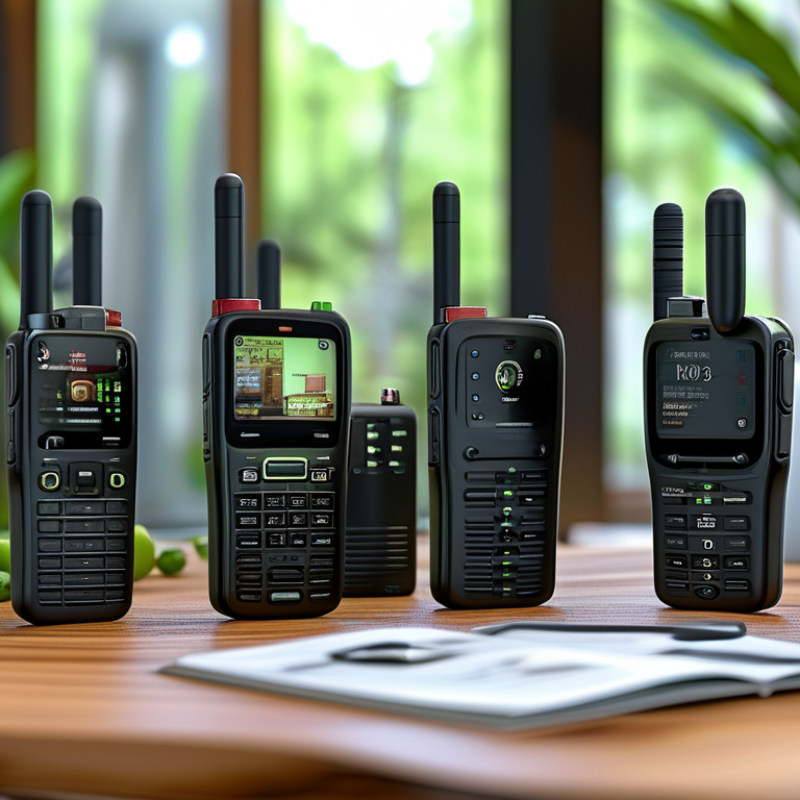
Smart intercom systems are reshaping home security and communication. Understanding the different types available can help you make an informed choice. Today, you will find wired intercoms, wireless systems, video capable options, and smart home integrated solutions. According to a recent industry report, the global intercom market is expected to reach $2.93 billion by 2027. This growth reflects increasing demand for security and convenience, driven by the rise of smart homes.
Wired intercoms boast reliability and are ideal for larger buildings. However, installation can be complex. Wireless systems offer flexibility and ease, but they often depend on stable Wi-Fi. Video intercoms add an extra layer of security by allowing visual communication. A study showed that 67% of homeowners prefer systems with video capabilities. When it comes to smart intercoms, integrating with existing smart home devices can enhance functionality, though compatibility issues may arise.
When evaluating your needs, assess your living situation. Environments with frequent visitors may benefit more from video options. Conversely, smaller spaces might find basic intercoms sufficient. Think about future scalability; some systems may lack the ability to expand. Understanding these nuances will guide your selection process and ensure your investment aligns with your security needs.
How to Choose the Best Smart Intercom for Your Needs?
| Type of Smart Intercom | Key Features | Pros | Cons | Ideal Use Case |
| Wired Intercom | Reliable audio quality, no need for Wi-Fi | Stable connection, fewer interruptions | Difficult installation, less flexible | Large homes or buildings |
| Wireless Intercom | Easy installation, portable | Versatile, multiple users | Signal interferences, power-dependent | Small homes or apartments |
| Video Intercom | Visual identification, two-way audio | Enhanced security, clear communication | Higher cost, requires good lighting | Security-focused residences |
| Smartphone-Compatible Intercom | Control from mobile devices, integration with smart home | Remote access, convenience | Dependent on Wi-Fi, battery issues | Tech-savvy households |
Key Features to Look for in a Smart Intercom for Your Home
When selecting a smart intercom for your home, focus on features that enhance security and convenience. A high-definition video camera is crucial. Research shows that 82% of homeowners prefer devices with clear video quality. Look for cameras with at least 1080p resolution. This provides clarity for identifying visitors. Night vision capabilities also add value. They ensure visibility after dark, a key consideration in crime-prone areas.
Two-way audio is another vital feature. It allows you to communicate directly with visitors without opening the door. Reports indicate that 73% of users find this feature improves their home's security. Additionally, integration with smart home systems can streamline operations. Devices that connect to your home network or security systems enhance overall functionality. Ensure that your intercom supports common protocols like Wi-Fi or Zigbee.
Consider the ease of installation as well. Many systems boast user-friendly setups, appealing to tech-savvy and less experienced users alike. However, a significant number of users report frustration with complex installations. It may require professional help that increases costs. Review options carefully to evaluate long-term sustainability and user satisfaction.
Evaluating Compatibility with Existing Smart Home Devices and Systems
When selecting a smart intercom, compatibility with existing smart home systems is crucial. According to a 2022 report by the Consumer Technology Association, over 70% of homeowners prioritize device integration. This ensures seamless communication and operation across various platforms. A smart intercom that supports common protocols like Wi-Fi and Z-Wave can enhance your user experience.
Evaluate how the intercom interacts with devices such as smart locks, lights, and security systems. Many intercoms offer features like video monitoring or two-way audio, but not all will connect uniformly with your existing devices. A survey revealed that 60% of users experienced connectivity issues when devices didn’t share the same ecosystem, highlighting the importance of checking compatibility before purchasing.
Consider the ecosystems you already have in your home. Research shows that systems not aligned with popular platforms can lead to frustration. Look for intercom solutions with flexible integration options. By assessing these factors, you can avoid potential pitfalls and ensure your intercom enhances your smart home experience rather than complicating it.
Assessing Audio and Video Quality: Importance and Specifications
When selecting a smart intercom system, audio and video quality are crucial. According to a 2022 industry report by MarketsandMarkets, 70% of users prioritize clear audio. Poor audio can lead to misunderstandings, especially in critical situations. A device with noise cancellation features often provides better communication clarity, making conversations seamless.
Video quality is equally important. The same report indicates that 65% of consumers prefer systems with at least 1080p resolution. High-resolution video allows for better identification of visitors. Many systems also offer features like night vision, which enhances usability after dark. However, some users may overlook these aspects, leading to frustration. A lack of detailed visual feedback contributes to security concerns.
Even with advanced technology, not all systems perform perfectly. Some intercoms may struggle with connectivity issues, affecting audio and video reliability. Users need to consider their specific environments when choosing a device. Walls, distance, and interference can impact performance. Understanding these factors can help individuals make informed decisions. Quality cannot be the only focus; usability and reliability must also be a priority.
Audio and Video Quality Assessment of Smart Intercoms
Cost Considerations: Balancing Features with Your Budgetary Needs
When choosing a smart intercom system, consider your budget carefully. The options available can be overwhelming. Costs vary widely based on features and technology. Finding the right balance is crucial. More expensive models often include advanced capabilities, like video connectivity and mobile app integration. However, assess whether you truly need these features.
Tips: Set a clear budget before shopping. Prioritize the features that matter most to you. Do you need video? Or is audio sufficient? Avoid falling for every new gadget on the market. Evaluate what will add real value to your daily life.
Don't forget about installation costs. Some devices are easy to set up, while others require professional help. Hidden fees can impact your overall expenditure. Research various installers and compare costs. Sometimes a basic model after professional installation equals the price of a high-tech version. Reflect on your long-term needs and whether you might need to upgrade down the line.



 08045479132
 Send Inquiry

 Send Inquiry
 Send SMS