How to Choose the Right Pressure Measurement Instrument?
Choosing the right Pressure measurement instrument is crucial for various industries. Accurate pressure measurement can enhance performance and ensure safety. Yet, the market offers a multitude of options, making selection daunting.
Understanding the principles of pressure measurement is essential. Different applications require specific devices. From gauges to digital sensors, each has unique benefits. Experience plays a significant role in making informed choices. Industry professionals often rely on trusted brands. However, personal biases may lead to oversight. It's essential to review technical specifications thoroughly.
Moreover, investing in quality instruments pays off in the long run. Reliability and accuracy are paramount. Yet, budget constraints may lead to hasty decisions. Striking a balance between cost and quality is vital. Ultimately, careful consideration and research will aid in selecting the right pressure measurement tool.
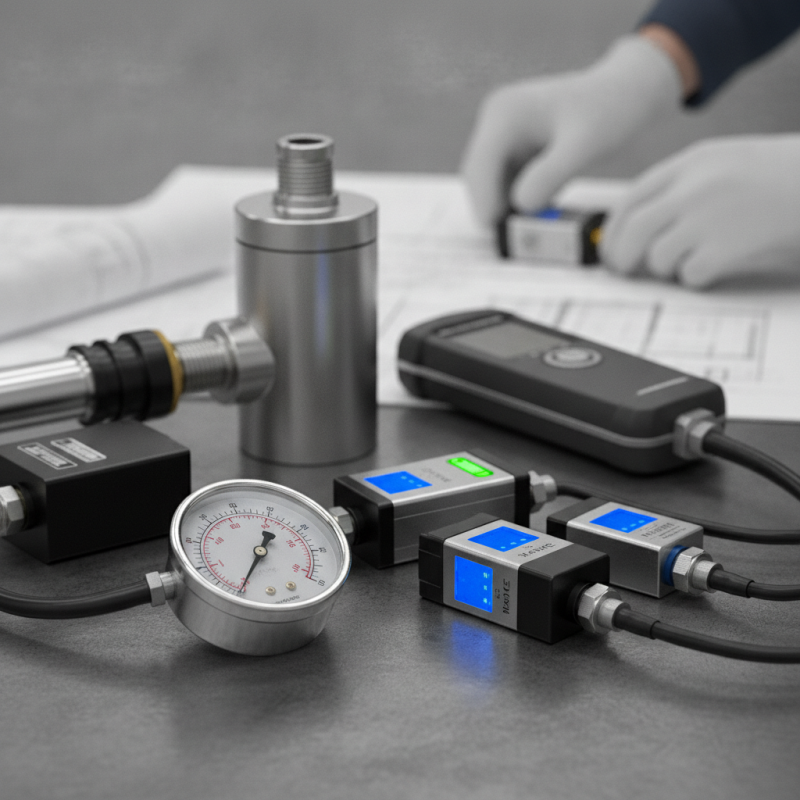
Understanding Pressure Measurement: Key Concepts and Units
Pressure measurement is a critical aspect in various industries, from manufacturing to HVAC systems. Understanding the key concepts and units is essential for selecting the appropriate instrument. Pressure is measured in several units: pascals (Pa), pounds per square inch (psi), and bar. Each unit serves specific applications and industries. For example, the pascal is standard in scientific contexts, while psi is often used in the United States.
The choice of a pressure measurement instrument depends on the required accuracy and application environment. A recent report from the American Society of Mechanical Engineers found that 60% of industrial processes rely on accurate pressure readings. Choosing a device with the right measurement range is crucial. If the range is too narrow, it may lead to inaccurate readings and potential system failures.
Different technologies, such as piezoelectric, capacitive, and strain gauge, measure pressure. Each comes with advantages and drawbacks. For instance, piezoelectric sensors are sensitive but may require more calibration. This inherent complexity highlights the need for skilled professionals to choose instruments wisely. A miscalculation here can create significant issues in operations. Thus, having proper knowledge about pressure measurement units and instruments is key to success in any industry.
Types of Pressure Measurement Instruments: A Comparative Overview
Pressure measurement instruments are crucial across various industries. They ensure safety and efficiency in operations. Selecting the right instrument can seem overwhelming due to the variety available. Understanding the different types is key.
There are mainly three types of pressure measurement instruments: mechanical gauges, electronic sensors, and diaphragm gauges. Mechanical gauges, like bourdon tubes, are simple and reliable for many applications. However, they may lack precision in extreme conditions. Electronic sensors, on the other hand, offer high accuracy and can easily integrate into automated systems. According to a 2022 industry report, electronic sensors account for about 45% of the market due to their versatility. Diaphragm gauges provide excellent performance in corrosive environments, making them essential for the chemical industry. Yet they can be more expensive.
Pressure measurement accuracy is critical. A slight error can lead to operational inefficiencies or safety hazards. For instance, a 2019 survey found that 60% of process failures were traced back to incorrect pressure readings. This shows the importance of choosing the right instrument for specific needs. Assessing the environment, required accuracy, and installation settings should guide your decision. Consider technical specifications carefully.
Comparison of Different Types of Pressure Measurement Instruments
This chart provides a comparative overview of various pressure measurement instruments, showcasing the accuracy, cost, and suitability of each type for specific applications. The data illustrates key metrics to help you choose the right instrument for your needs.
Factors Influencing Instrument Selection: Accuracy, Range, and Sensitivity
When selecting a pressure measurement instrument, it's essential to consider accuracy, range, and sensitivity. Accuracy reflects how close the instrument's readings are to the actual values. A slight deviation can lead to significant errors in sensitive applications, such as pharmaceuticals or food processing. Ensure the instrument offers a high degree of precision for your specific needs.
Range is another critical factor. The instrument should measure the intended pressure levels effectively. Instruments designed for a narrow range may not perform well under varying conditions. It's vital to understand the operational environment to choose a suitable device.
Sensitivity is about how well the instrument responds to small changes in pressure. High sensitivity is crucial in applications like research and aerospace, where small fluctuations matter. A less sensitive instrument might miss critical variations. Reflecting on these elements ensures a well-informed decision. Instruments lacking in any of these areas could lead to unexpected challenges in your operations.
Industry-Specific Applications: Choosing Instruments for Various Sectors
Selecting the right pressure measurement instrument can vary significantly across different industries. For the oil and gas sector, accuracy is paramount. According to the American Petroleum Institute, up to 60% of measurement inaccuracies can occur due to equipment selection. Instruments must handle high pressures and extreme conditions, making specialized sensors a necessity. The use of digital pressure gauges has increased by 25% in recent years, providing improved data accuracy for reservoir monitoring.
In the automotive industry, pressure measurement is crucial for safety and performance. Reports from the Society of Automotive Engineers highlight that tire pressure monitoring systems can reduce blowouts by 50%. Instruments tailored for tire pressures must withstand temperature fluctuations while providing real-time data. The growing trend toward electric vehicles also demands innovative pressure sensors that align with advanced battery technologies.
Food and beverage sectors require instruments that meet hygiene standards. The Food and Drug Administration emphasizes that pressure measurement tools must be easy to clean and corrosion-resistant. Regular calibration is often overlooked, yet it is essential to maintain measurement integrity. Reports indicate that up to 30% of food processing failures stem from improper pressure readings. Choosing the appropriate instrument could mitigate such risks effectively.
How to Choose the Right Pressure Measurement Instrument? - Industry-Specific Applications
| Industry | Instrument Type | Measurement Range | Accuracy | Typical Applications |
| Manufacturing | Analog Gauge | 0-100 PSI | ±1% | Hydraulic systems |
| Oil & Gas | Digital Pressure Transmitter | 0-5000 PSI | ±0.5% | Pipeline monitoring |
| Food & Beverage | Sanitary Pressure Sensor | 0-30 PSI | ±1% | Processing tanks |
| Pharmaceutical | Differential Pressure Transmitter | 0-10 inH2O | ±0.2% | Cleanroom applications |
| Automotive | Piezoelectric Sensor | 0-200 PSI | ±0.3% | Engine testing |
Maintenance and Calibration: Ensuring Accuracy in Pressure Measurements
Maintaining accuracy in pressure measurements is crucial for operational efficiency. Regular maintenance and calibration ensure that instruments perform optimally. According to industry reports, nearly 30% of pressure measurement errors stem from improper calibration. These errors can lead to significant production losses and safety hazards.
Calibration intervals depend on usage. High-frequency operations may require monthly checks. Some instruments may need yearly calibrations. A surprising statistic reveals that 15% of companies neglect maintenance schedules. This oversight often results in unreliable data and increased operational costs.
Experts recommend using traceable calibration standards to ensure reliability. Regular maintenance can reveal potential issues before they escalate. Operators should document all calibration activities, creating a log that helps track instrument performance. While it may seem tedious, thorough documentation is key to upholding accuracy and reliability in pressure measurements.



 08045479132
 Send Inquiry

 Send Inquiry
 Send SMS