Change Language
Call Us08045479132

What Is Lab Equipment A Complete Guide for Global Buyers?

Lab Equipment is more than glassware, benchtop instruments, and stainless-steel frames. It is the working infrastructure behind reliable research, quality control, diagnostics, and production. A centrifuge must match rotor capacity, speed, and sample volume. An incubator must maintain stable temperature, humidity, and contamination control. Small specification gaps can create expensive delays.

Market data shows why global buyers need a disciplined approach. Fortune Business Insights reported that the laboratory equipment market reached approximately USD 38 billion in 2023, with continued growth expected through 2030. Grand View Research also identifies research funding, pharmaceutical development, and clinical testing as major demand drivers. These figures indicate opportunity, but they do not guarantee a suitable purchase. A growing market can still contain confusing specifications and uneven supplier support.

This guide examines Lab Equipment through practical buying questions. Which performance data can be verified? Does the supplier provide calibration records, installation guidance, spare parts, and responsive technical service? ISO 17025 principles emphasize competent testing and traceable measurement, while the WHO Laboratory Quality Management System guidance highlights documented procedures and equipment maintenance. Buyers should also assess voltage, certifications, shipping conditions, training, and total ownership cost. A low quotation may hide installation fees, consumables, or long repair times. It happens often. Product brochures look precise, yet real laboratory conditions can expose overlooked weaknesses. Careful comparison, independent verification, and user feedback create a safer path toward dependable equipment and measurable laboratory performance.

What Is Lab Equipment A Complete Guide for Global Buyers?

What Is Lab Equipment and Why Is It Important?

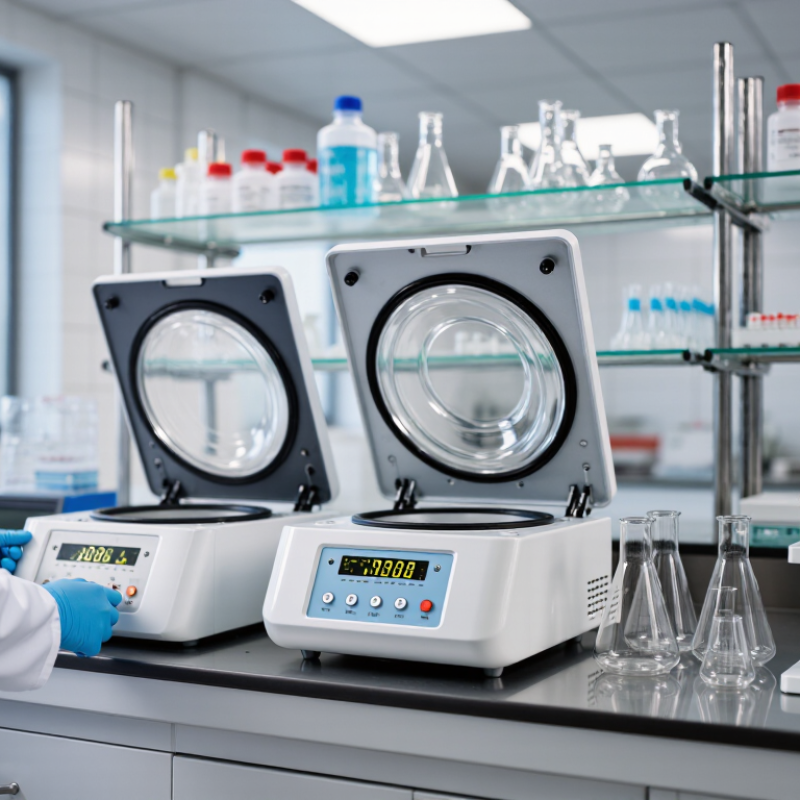
Lab equipment includes instruments, devices, and supplies used in laboratories. They help professionals observe, measure, test, or prepare materials. A balance measures mass, while a centrifuge separates samples through controlled spinning. Glassware, temperature systems, microscopes, and storage units also belong to this category. Looks simple. Yet each item can affect data quality.

Its importance comes from control. Reliable equipment helps users produce repeatable results under defined conditions. In food, environmental, clinical, or educational laboratories, one inaccurate reading can change a decision. An unstable temperature may alter a reaction, damage a sample, or weaken an experiment’s comparison. Good equipment also supports safety through sealed containers, protective controls, and clear operating procedures. Maintenance is often treated as an afterthought. That habit creates avoidable uncertainty. Calibration records, cleaning schedules, and user training make measurements more trustworthy. Still, equipment does not replace judgment. A technically correct result can remain misleading when sampling or method selection is poor.

Global buyers should assess the complete working environment, not only the product specification. Check voltage, plug type, temperature range, measurement accuracy, software compatibility, and technical support. Confirm whether manuals, certificates, spare parts, and calibration services are accessible in the destination market. A low purchase price may become expensive when shipping delays stop daily testing. That risk is easy to underestimate. I would question impressive specifications without practical test data. Some decisions feel rushed. A short trial, documented acceptance criteria, and feedback from actual users can reveal problems before installation.

What Is Lab Equipment and Why Is It Important?

Laboratory equipment includes instruments and systems used to measure, analyze, preserve, heat, cool, and sterilize materials. The chart shows representative operating temperatures commonly associated with essential laboratory equipment and illustrates how precise environmental control supports reliable results, sample integrity, and safety.

Reference conditions: approximately 4°C for refrigerated storage, −20°C and −80°C for frozen storage, 37°C for many biological incubations, and 121°C for saturated-steam sterilization. Actual settings depend on the method, sample type, and applicable laboratory standards.

How Lab Equipment Is Classified by Function and Application

Lab equipment is best classified by what it does and where it is used. This approach helps global buyers compare specifications, risks, and operating costs. Measuring equipment includes balances, pH meters, thermometers, and spectrometers. These devices produce data, so accuracy, resolution, calibration, and traceability matter. Small differences can affect an entire test series.

Preparation equipment changes samples before analysis. Mixers, centrifuges, grinders, and digestion systems belong in this group. Their value depends on speed control, capacity, temperature stability, and material compatibility. A centrifuge for clinical samples may require different controls than one used for environmental testing. The application changes the selection.

Protection and environmental-control equipment includes fume extraction, clean-air cabinets, incubators, ovens, and refrigerators. These systems manage temperature, airflow, humidity, or contamination. Buyers should check chamber volume, alarm functions, energy use, and local electrical requirements. Storage equipment protects samples during transport or long-term testing. Racks, sealed containers, and monitored cold storage are common examples.

My first equipment list was too neat. Real laboratories often use one instrument for several functions. That creates hidden limits. A buyer should review sample type, daily workload, operator skill, maintenance access, and required documentation. Standards and calibration records also deserve attention. Product descriptions can sound precise, yet practical performance may change with workload, training, and room conditions. Trial testing is not always possible, but verified technical documents and independent service support can reduce costly surprises.

What Is Lab Equipment? A Complete Guide for Global Buyers — Classification by Function and Application
Functional Category Primary Application Typical Equipment What It Does Key Specifications to Compare Common Laboratory Sectors Important Buyer Considerations
Sample Preparation Preparing, reducing, mixing, or homogenizing samples before analysis Balances, analytical balances, centrifuges, homogenizers, vortex mixers, grinders, and mills Reduces sample variation and produces a consistent material for testing or measurement. Capacity, readability, rotational speed, relative centrifugal force, timer range, chamber size, noise, and cleanability Food testing, pharmaceutical development, environmental analysis, materials research Confirm the required accuracy, sample type, vessel compatibility, workload, and whether the equipment supports validated procedures.
Liquid Handling Measuring, transferring, dispensing, and diluting liquids Micropipettes, serological pipettes, burettes, dispensers, liquid handlers, and pipette controllers Transfers defined liquid volumes with controlled accuracy and repeatability. Volume range, accuracy, precision, channel count, operating mode, tip or vessel compatibility, and calibration interval Clinical laboratories, molecular biology, analytical chemistry, quality control Choose a suitable volume range and verify calibration, ergonomic design, chemical compatibility, and availability of consumables.
Separation Separating substances or particles according to size, density, charge, or chemical properties Centrifuges, filtration systems, chromatographic systems, electrophoresis units, and separators Isolates components from mixtures to support purification, identification, or quantification. Separation force, rotor or column type, flow rate, pressure limit, detection method, temperature control, and sample throughput Biotechnology, pharmaceutical analysis, water testing, chemical research Match the separation method to the sample matrix and confirm compatibility with solvents, membranes, columns, tubes, or gels.
Heating and Cooling Maintaining, increasing, or reducing sample temperature Hot plates, heating blocks, ovens, furnaces, water baths, dry baths, refrigerators, and freezers Provides stable thermal conditions for reactions, storage, drying, sterilization, or material treatment. Temperature range, stability, uniformity, recovery time, chamber volume, heating or cooling rate, and alarm functions Microbiology, chemistry, materials testing, clinical research, food science Check the required operating temperature, thermal uniformity, insulation, ventilation, energy consumption, and temperature alarm requirements.
Sterilization and Decontamination Reducing or eliminating viable microorganisms and contaminants Steam sterilizers, dry-heat sterilizers, ultraviolet treatment units, disinfecting washers, and sterilization indicators Processes equipment, media, waste, or work surfaces using heat, pressure, radiation, or chemical methods. Temperature, pressure, cycle time, chamber volume, load configuration, drying performance, and monitoring method Microbiology, healthcare research, pharmaceutical production, life sciences Determine whether the process is appropriate for the load and review safety controls, validation requirements, drainage, ventilation, and maintenance access.
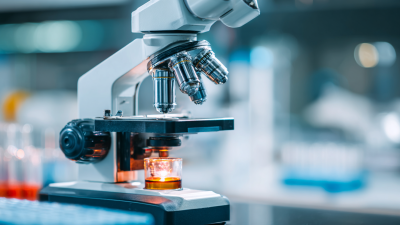
Optical Observation Magnifying, imaging, counting, or inspecting specimens and surfaces Optical microscopes, stereomicroscopes, fluorescence imaging systems, colony counters, and digital inspection systems Creates an enlarged or contrast-enhanced image for visual examination and documentation. Magnification, numerical aperture, resolution, illumination type, field of view, camera resolution, and image software Cell biology, pathology, education, materials science, quality inspection Define the specimen type and required resolution before selecting illumination, objectives, imaging accessories, and data-export functions.
Spectroscopy and Optical Analysis Identifying or quantifying substances through interaction with electromagnetic radiation Ultraviolet-visible spectrophotometers, infrared spectrometers, fluorescence spectrometers, and atomic absorption instruments Measures absorption, emission, or transmission to determine chemical composition or concentration. Spectral range, wavelength accuracy, resolution, photometric range, detection limit, sample holder, and software capability Pharmaceutical testing, environmental monitoring, food analysis, chemical research Confirm the required wavelength range, detection performance, sample volume, solvent compatibility, calibration method, and data-integrity features.
Chromatographic Analysis Separating and analyzing components in complex mixtures Gas chromatographs, liquid chromatographs, ion chromatographs, autosamplers, and fraction collectors Separates compounds through differences in their interaction with a stationary phase and a mobile phase. Pressure range, flow range, detector type, column compatibility, temperature control, injection volume, and data system Pharmaceuticals, petrochemicals, food safety, forensic science, environmental testing Specify the analytes, sample matrix, required detection limit, solvent or gas supply, column needs, and method-development workload.
Electrochemical Measurement Measuring acidity, conductivity, potential, ions, or oxidation-reduction behavior pH meters, conductivity meters, dissolved oxygen meters, ion-selective measurement systems, and potentiostats Measures electrical properties related to chemical conditions in liquids or electrochemical cells. Measurement range, resolution, accuracy, electrode type, temperature compensation, calibration points, and data logging Water quality, chemical processing, agriculture, pharmaceutical quality control Check sample temperature, electrode material, calibration standards, replacement sensor availability, and resistance to the intended chemicals.
Gas and Vacuum Systems Controlling gases, pressure, vacuum, or atmospheric conditions Vacuum pumps, vacuum ovens, gas regulators, gas analyzers, flow controllers, and glove boxes Creates or maintains controlled pressure, gas composition, flow, or low-moisture environments. Ultimate vacuum, pumping speed, gas flow range, leak rate, pressure accuracy, material compatibility, and chamber volume Materials science, chemical synthesis, semiconductor research, analytical laboratories Verify gas purity, connection standards, exhaust arrangements, solvent resistance, oil or oil-free operation, and required safety interlocks.
Cell and Microbiology Culture Growing, maintaining, or observing microorganisms and biological cells Incubators, shaking incubators, cell culture cabinets, anaerobic chambers, bioreactors, and colony counters Maintains controlled conditions such as temperature, agitation, humidity, gas composition, or sterility for biological growth. Temperature uniformity, agitation range, humidity control, gas control, chamber volume, contamination control, and monitoring Microbiology, biotechnology, cell biology, vaccine research, food testing Assess contamination risks, culture vessel compatibility, cleaning procedures, monitoring records, and the need for independent environmental alarms.
Molecular Biology Amplifying, analyzing, or manipulating nucleic acids and proteins Thermal cyclers, real-time amplification systems, gel electrophoresis units, gel documentation systems, and nucleic-acid quantification instruments Supports DNA or RNA amplification, separation, visualization, quantification, and related workflows. Sample capacity, temperature uniformity, ramp rate, detection channels, fluorescence compatibility, sensitivity, and software functions Genetics, diagnostics research, biotechnology, food authenticity testing Confirm assay compatibility, optical channels, reaction volume, contamination-control design, software records, and local service capability.
Mechanical and Materials Testing Evaluating strength, hardness, flexibility, wear, or deformation Universal testing machines, hardness testers, impact testers, rheometers, tensile testers, and tribometers Applies controlled force, displacement, torque, or motion to characterize material behavior. Load capacity, displacement range, speed range, force accuracy, fixture type, environmental control, and software reporting Metals, polymers, construction materials, packaging, manufacturing quality control Define the material standard, specimen geometry, test method, maximum load, fixture requirements, and reporting format before purchase.
Water and Environmental Testing Monitoring physical, chemical, and biological properties of environmental samples Turbidity meters, water-quality analyzers, digestion systems, incubators, sampling pumps, and portable test meters Assesses parameters such as pH, conductivity, turbidity, dissolved oxygen, nutrients, metals, or microbial indicators. Detection range, detection limit, sample throughput, field portability, battery life, ingress protection, and calibration requirements Drinking water, wastewater, soil testing, marine research, environmental compliance Consider field or laboratory use, sample preservation, method compliance, sensor durability, data storage, and transportation conditions.
Laboratory Safety and Containment Protecting personnel, samples, products, and the surrounding environment Chemical fume hoods, biological safety cabinets, safety storage cabinets, eyewash stations, spill-control equipment, and emergency showers Controls hazardous vapors, aerosols, spills, biological agents, flammable materials, or accidental exposure. Airflow, containment level, face velocity, filter type, cabinet dimensions, alarm functions, storage capacity, and certification requirements All laboratories handling chemical, biological, radiological, or particulate hazards Base selection on the hazard assessment, installation conditions, local regulations, exhaust requirements, certification, and operator training.
Data Acquisition and Laboratory Automation Recording measurements, controlling workflows, and improving repeatability Data loggers, laboratory information systems, robotic sample handlers, barcode readers, controllers, and monitoring platforms Collects, transfers, analyzes, or manages laboratory data and repetitive instrument operations. Input channels, sampling rate, connectivity, software compatibility, audit trail, access control, automation capacity, and backup options High-throughput screening, quality control, clinical research, manufacturing laboratories Check interoperability, cybersecurity, user permissions, data export, electronic records, validation needs, and long-term software support.

Which Types of Lab Equipment Do Global Buyers Need?

Global buyers rarely need every instrument in a catalog. They need equipment matched to sample type, testing volume, accuracy, and local service access. A practical laboratory often starts with preparation tools: balances, hot plates, mixers, centrifuges, pipettes, and water purification units. These items support education, quality control, food analysis, and research. Choose capacity carefully. A 0.001-gram balance may be unnecessary for routine measurements. A small-capacity model can slow busy teams. Small details matter.

For temperature-sensitive work, buyers may need incubators, drying ovens, refrigerators, or ultra-low-temperature freezers. Analytical laboratories often add microscopes, pH meters, conductivity meters, spectrophotometers, and chromatographic systems. Molecular workflows can require thermal cyclers, clean workstations, and controlled storage.

Safety equipment belongs in the same plan. Consider fume hoods, spill-control supplies, eyewash stations, and protective barriers. Check local electrical standards, ventilation needs, calibration rules, and import requirements before ordering. Technical specifications alone are not enough.

A common purchasing mistake is selecting advanced equipment before mapping the workflow. It looks impressive. It may sit unused. Buyers should request calibration documents, installation requirements, user training, spare-part availability, and realistic service response times. A clear acceptance test can assess temperature stability, repeatability, and alarm performance after installation. One overlooked site survey may reveal limited bench depth or blocked door clearance. That assumption was wrong. Careful planning reduces delays, but no checklist is perfect.

How to Evaluate Lab Equipment Quality, Safety, and Compliance

Evaluating laboratory equipment begins with the work it must perform. A precise balance should remain stable near ventilation, vibration, and changing temperatures. For analytical instruments, review accuracy, repeatability, measurement range, and calibration intervals. Ask for test reports, material specifications, and documented quality controls. A polished certificate is not proof of dependable performance.

Safety requires more than a warning label. Check electrical protection, grounding, temperature limits, moving parts, chemical resistance, and emergency shutoff access. The equipment should fit the room, workflow, and staff training level. Request user manuals, maintenance procedures, spare-part information, and records of factory testing. Small details matter. A poorly placed cable can create a daily hazard.

Compliance depends on the destination country and the equipment category. Verify applicable electrical, electromagnetic, pressure, environmental, and laboratory standards with a qualified local adviser. Check whether calibration is traceable to recognized national or international references. During supplier evaluation, inspect serial-number records, warranty terms, service response, and software update policies. I have learned that attractive specifications can hide difficult maintenance. No evaluation is perfect, especially when independent testing is limited. Record assumptions, identify unanswered questions, and require corrective action before acceptance. A practical trial with real samples often reveals weaknesses that brochures never show.

How to Select Suppliers, Compare Costs, and Manage Global Purchasing

Global laboratory purchasing is more than finding the lowest quotation. The laboratory equipment market was valued at about USD 39.6 billion in 2024, according to Fortune Business Insights. This growth increases supplier choice, but also increases comparison risk. Buyers should verify ISO 9001 systems, ISO/IEC 17025 calibration support, technical training, and spare-part availability. Ask for serialised inspection records, not attractive brochures.

Cost comparison needs a landed-cost worksheet. Include equipment price, freight, insurance, duties, installation, validation, consumables, and local service. The World Bank’s Logistics Performance Index 2023 shows wide differences in customs efficiency and shipment reliability between economies. A cheaper quote may therefore create longer delays. Request delivery evidence from similar destinations. Check temperature-sensitive packaging and replacement lead times. Small details matter.

Procurement teams should score suppliers using weighted criteria, such as performance, compliance, service, delivery, and total cost. A 2023 Deloitte Global Chief Procurement Officer Survey identifies cost management and supply resilience as continuing priorities. However, a spreadsheet cannot replace a technical trial. Test one unit with real samples when possible. I would also record every assumption. Some estimates will be wrong. That is useful. A transparent mistake is easier to correct than an unexplained saving. Keep warranty terms, acceptance tests, payment milestones, and escalation contacts in the contract.

Back to top