Top Vertical Pair Twisting Machine Manufacturers?
Choosing a top Vertical Pair Twisting Machine manufacturer requires more than comparing catalog prices. In wire and cable production, twisting stability affects lay length, tension, insulation safety, and final appearance. Experienced buyers inspect the machine’s frame, spindle alignment, dancer response, and control interface before signing a contract. Small details matter. A clean cabinet, protected bearings, and accessible lubrication points can reduce downtime on a busy factory floor. Reputable manufacturers normally provide documented specifications, factory testing, installation guidance, and responsive after-sales support. Their claims should match measurable results, not polished brochures.
This article introduces leading manufacturers through practical criteria rather than an unverified popularity list. It considers product range, customization ability, production capacity, quality-control procedures, energy use, spare-parts availability, and operator training. Evidence may include technical datasheets, customer references, inspection records, and observed test runs with comparable wire sizes. A reliable supplier should explain twisting speed, maximum conductor diameter, take-up compatibility, and safety protections clearly. Ask difficult questions. Vague answers deserve caution. No single manufacturer suits every plant. A high-speed model may be excessive for a small workshop, while a low-cost machine may create hidden maintenance costs. Some evaluations remain imperfect because public data can be limited or inconsistent. That limitation should be acknowledged, not concealed. With careful comparison, manufacturers can be judged on engineering competence, transparent communication, and long-term service value.
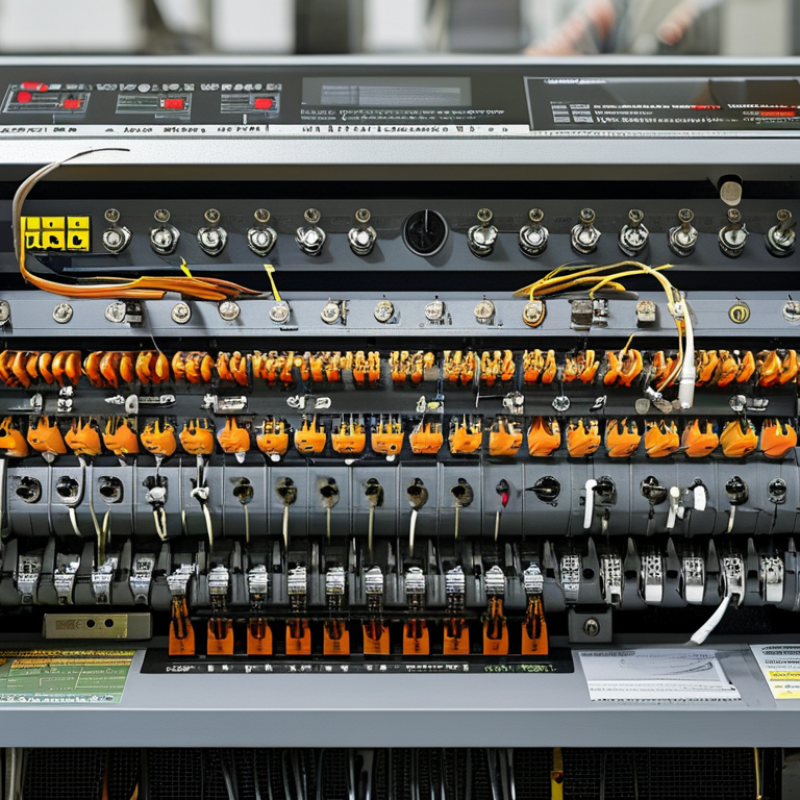
What Is a Vertical Pair Twisting Machine?
What Is a Vertical Pair Twisting Machine?
A vertical pair twisting machine combines two insulated wires into one balanced twisted pair. The machine usually holds the wire paths in a vertical frame. Pay-off units feed the conductors upward or downward, while rotating guides create a controlled twist. A take-up reel then collects the finished pair.
This design saves floor space. It also gives operators clear access to tension controls, guides, and forming tools. In cable production, stable tension matters greatly. Uneven tension can produce loose sections, flattened insulation, or irregular pitch.
Sensors may monitor speed and line tension during operation. The control system then adjusts motor output to maintain consistency.
A practical machine should support quick changeovers. Different wire sizes require different guides, dies, and tension settings. Experienced operators normally check the first several meters before continuous production. They measure twist length, inspect insulation, and listen for unusual vibration. Small details matter.
No setting is perfect.
Humidity, insulation hardness, and reel alignment can change the result. I have found that automatic controls reduce errors, but they do not replace inspection. A reliable manufacturer should provide clear specifications, repeatable test data, spare-part guidance, and operator training.
Buyers should also examine maximum wire diameter, twisting speed, pitch range, noise level, and maintenance access. A machine may look efficient on paper, yet difficult cleaning or poor adjustment access can slow the entire line.
How Vertical Pair Twisting Machines Work
How Vertical Pair Twisting Machines Work
A vertical pair twisting machine combines two parallel wires, yarns, or filaments into one consistent twisted strand. Each material passes through a separate guide and tensioning unit. The feeds must remain balanced. Otherwise, one side may loosen while the other side becomes stretched. A rotating spindle then applies controlled twist around the paired materials. The take-up system pulls the finished strand upward or downward at a steady speed. Twist count depends on spindle speed and line speed. Operators usually check both settings before production begins.
Tips: Keep guides clean and aligned. Inspect tension discs before every shift. Use a sample length to verify twist direction and pitch. Listen for unusual vibration. It often signals wear, imbalance, or poor alignment. Small errors become visible in the final strand.
Experienced operators also monitor heat, noise, and winding quality during operation. Excessive tension can damage delicate materials. Low tension may create loose sections and uneven diameter. Routine lubrication helps, but too much lubricant can contaminate the product. No setup is perfect. Material batches can react differently, so production records deserve regular review. A reliable machine still needs careful adjustment, skilled observation, and honest quality checks.
Leading Types of Vertical Pair Twisting Machine Manufacturers
Top Vertical Pair Twisting Machine Manufacturers
Leading vertical pair twisting machine manufacturers usually fall into several practical categories. Full-line industrial manufacturers build complete equipment ranges for different yarn sizes and production speeds. Their machines often include programmable tension control, guarded twisting zones, and automatic stop functions. These suppliers suit factories that need consistent output across multiple production lines. In my experience, stable calibration matters more than impressive speed claims.
Specialized high-speed manufacturers focus on productivity and controlled strand handling. Their designs may feature precision spindles, ceramic guides, low-vibration frames, and real-time monitoring. These details reduce uneven twisting and help protect delicate fibers. However, higher speed can increase maintenance demands. A careful buyer should request test records using similar materials, not only laboratory results.
Custom engineering manufacturers provide machines adapted to unusual yarn structures, limited floor space, or specific winding systems. They normally study tension ranges, package dimensions, electrical standards, and operator routines before proposing a configuration. This approach can improve integration, but it may require longer commissioning and more technical communication. Regional manufacturers often offer faster service and easier spare-part access. Yet their documentation may be less polished. That is worth checking. Reliable manufacturers should provide clear manuals, training, replacement-part lists, and measurable acceptance criteria. No supplier is perfect, so factory visits and sample trials remain valuable before a major purchase.
Top Vertical Pair Twisting Machine Manufacturers: Leading Machine Types
Vertical pair twisting machines are commonly selected according to material format, required twist consistency, line speed, and take-up requirements. The chart compares indicative operating-speed bands for common application types. Actual performance depends on material, strand size, twist length, machine configuration, and process control.
Indicative technical ranges shown in metres per minute; supplier specifications should be verified for the intended material and production setup.



 08045479132
 Send Inquiry

 Send Inquiry
 Send SMS