What is a Rubber Engine Mount and Why is it Important?
The Rubber Engine Mount plays a pivotal role in vehicle dynamics. It serves as a critical component, connecting the engine to the chassis while absorbing vibrations. This mounting system is essential for a smoother ride and improved engine performance. Without a reliable Rubber Engine Mount, vibrations can transfer to the vehicle's cabin, leading to discomfort for passengers.
Designed from durable rubber, these mounts provide flexibility. They allow for engine movement while minimizing noise and vibration. Over time, however, rubber can degrade due to heat and environmental factors. This degradation can result in increased wear and tear on other engine components. Therefore, regular inspection and maintenance of the Rubber Engine Mount are vital for vehicle longevity.
In conclusion, the importance of the Rubber Engine Mount cannot be overstated. It enhances the driving experience and protects essential parts from damage. Maintaining this component ensures safety and reliability on the road, fostering trust in automotive performance.
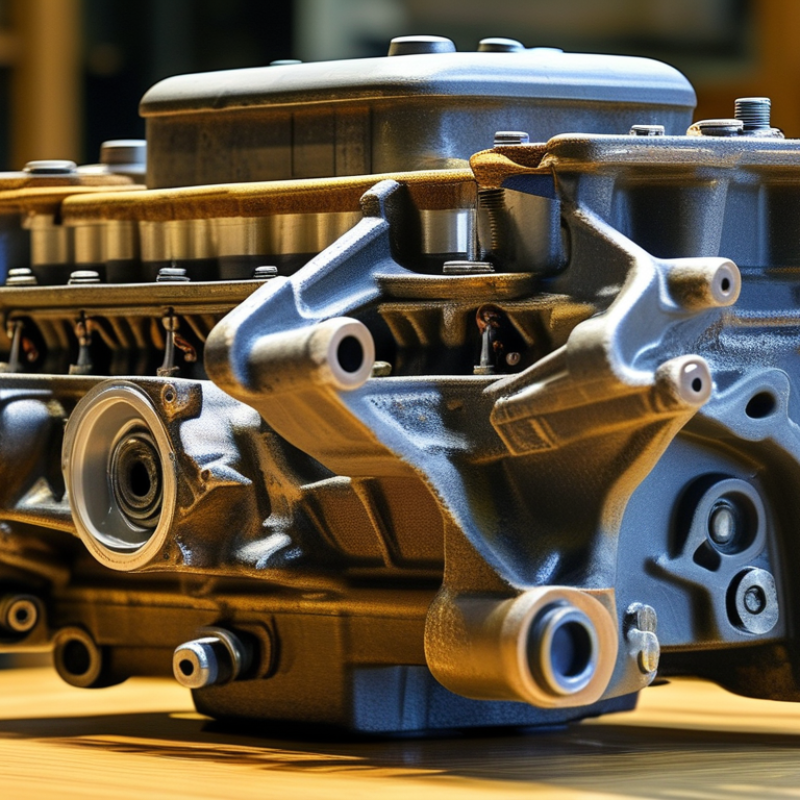
What is a Rubber Engine Mount?
A rubber engine mount is a crucial component in vehicles. It serves as a cushion between the engine and the car chassis. This mount absorbs vibrations and noise produced by the engine, ensuring a smoother ride. Without it, drivers would feel every shake and tremor the engine creates.
The design of a rubber engine mount allows for flexibility. It can deform under pressure, providing shock absorption. This capability is vital in maintaining engine alignment and reducing wear on components. If the mount fails, it can lead to significant issues. The engine may shift, causing damage to surrounding parts or even creating unsafe driving conditions.
While many drivers overlook this component, its importance cannot be overstated. Routine inspections can identify wear and tear before problems escalate. It’s easy to underestimate how much these mounts contribute to vehicle comfort and safety. Neglecting them may lead to costly repairs down the line.
Key Functions of Rubber Engine Mounts
Rubber engine mounts play a crucial role in vehicle performance. They secure the engine to the chassis while absorbing vibrations. This helps reduce noise in the cabin, creating a more comfortable driving experience. The ability of rubber mounts to absorb shocks can prevent damage to engine components over time.
One of the key functions of rubber engine mounts is isolating engine vibrations. When an engine runs, it generates a lot of vibrations. Over time, these vibrations can cause wear on various parts of the vehicle. Effective mounts minimize this wear. If the mounts are worn out or damaged, it can lead to increased noise and discomfort. Drivers may notice unusual sounds, which could indicate a problem. Regular inspections are essential to ensure mounts are functioning properly.
Another important aspect is the alignment of the engine. Proper alignment ensures efficient performance. Misaligned engines can cause additional stress on other components. This stress may lead to more severe issues down the road. Mechanics often emphasize the need for reliable rubber engine mounts to prevent these problems. Regular maintenance of engine mounts contributes to the overall lifespan of the vehicle.
Benefits of Using Rubber Engine Mounts in Vehicles
Rubber engine mounts are essential in vehicles for several reasons. They play a critical role in minimizing vibrations and noise from the engine. This results in a smoother driving experience. Rubber acts as a buffer, absorbing shocks during acceleration and deceleration. This helps protect other engine components as well.
Using rubber engine mounts offers significant benefits. They improve the overall ride quality. With reduced vibrations, drivers and passengers enjoy a more comfortable journey. Additionally, they enhance engine longevity by preventing wear and tear. This is crucial for maintaining performance over time. A well-functioning engine mount contributes to vehicle safety. If neglected, worn mounts can lead to misalignment and potential hazards.
When considering maintenance, it's vital to inspect engine mounts regularly. Look for signs of wear like cracks or separation. Ignoring these signs can lead to more severe issues. Keeping an eye on vibrations can also indicate the need for replacement. Regular checks can save money in the long run and keep your vehicle running smoothly.
What is a Rubber Engine Mount and Why is it Important? - Benefits of Using Rubber Engine Mounts in Vehicles
| Feature | Description | Benefits |
| Vibration Dampening | Reduces engine vibrations transferred to vehicle frame. | Improves ride comfort and reduces noise levels. |
| Engine Alignment | Maintains proper alignment of the engine and transmission. | Enhances vehicle control and handling. |
| Durability | Made from robust rubber compounds that resist wear. | Reduces long-term maintenance costs. |
| Noise Reduction | Absorbs sound waves generated by the engine. | Provides a quieter cabin environment. |
| Weight | Lightweight design minimizes addition to vehicle weight. | Improves fuel efficiency and performance. |
Common Issues Associated with Rubber Engine Mounts
Rubber engine mounts play a crucial role in a vehicle's performance. They reduce vibrations, dampen noise, and support the engine. However, these components can face several common issues over time. A significant problem is deterioration caused by heat and engine movement. In fact, studies show that rubber mounts lose strength when exposed to high temperatures, often leading to premature failure.
Another issue is wear and tear due to constant engine vibrations. This can result in misalignment, which affects overall vehicle handling. According to the Automotive Engineering Society, improper alignment due to worn mounts can increase strain on connected parts, causing further damage. Regular inspections can catch these problems early, but many drivers overlook this maintenance.
Environmental factors can also affect rubber engine mounts. Oil and contaminants can break down rubber materials, leading to cracks and deformation. Research from the Society of Automotive Engineers indicates that contaminated mounts can reduce vibration isolation by 50%. Drivers may not realize their mounts are compromised until their vehicle starts to behave unpredictably. Ignoring these signs may lead to more costly repairs down the line. Maintaining awareness of rubber engine mount health is essential for optimal vehicle performance.
Common Issues Associated with Rubber Engine Mounts
Maintenance and Replacement of Rubber Engine Mounts
Rubber engine mounts play a crucial role in the overall operation and efficiency of vehicles. They absorb vibrations and impacts from the engine, preventing them from transferring to the vehicle’s frame. This damping effect helps in providing a smoother ride. According to a comprehensive industry report, over 35% of vehicle noise is attributed to vibrations from the engine. Therefore, maintaining these mounts is imperative for both comfort and vehicle longevity.
Regular inspection of rubber engine mounts should be part of standard vehicle maintenance. Experts recommend checking mounts every 30,000 miles or during routine servicing. Signs of wear include visible cracks or sagging. Such visible damage can lead to more significant issues, including misalignment of engine components. Moreover, failure to replace deteriorated mounts could result in a 15% decrease in fuel efficiency, as the engine works harder to compensate for the impact.
When it comes to replacement, ensure that you choose high-quality rubber mounts. While cost may tempt you to opt for cheaper alternatives, the consequences of poor-quality materials may lead to further complications. A study indicated that improper installation can reduce the lifespan of engine mounts by up to 40%. Reflecting on the maintenance of rubber engine mounts reveals a delicate balance between cost, performance, and comfort for drivers.



 08045479132
 Send Inquiry

 Send Inquiry
 Send SMS