Change Language
Call Us08045479132

7 Tips for Buying Cat Stained Glass Suncatchers?

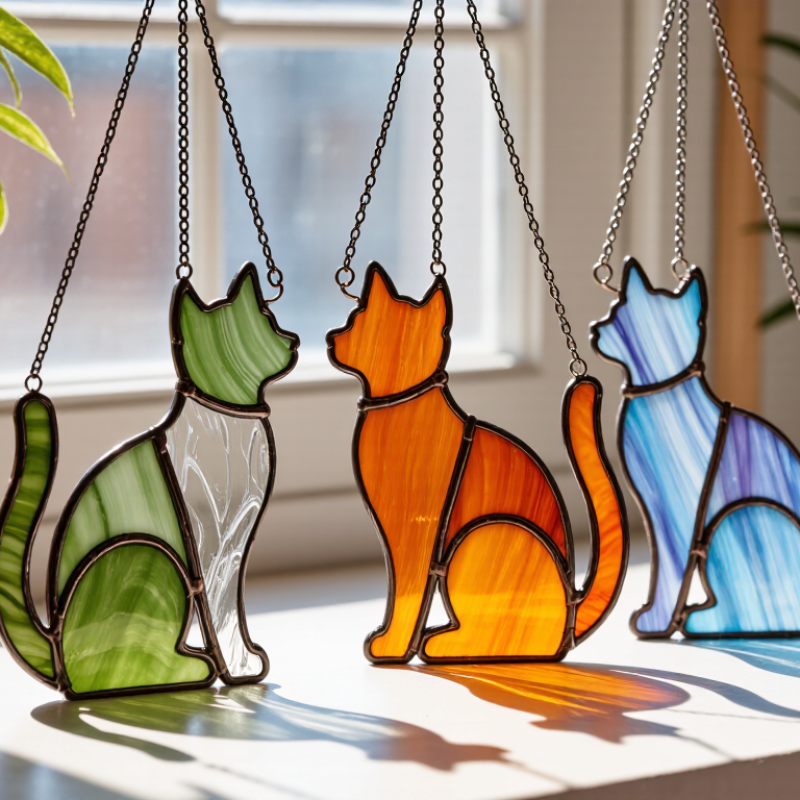
Choosing cat stained glass suncatchers can feel simple until light, glass quality, and mounting safety matter. A charming cat shape is only one part of a reliable purchase.

Experienced buyers usually inspect the glass edges, solder lines, hanging chain, and listed dimensions. Look for clear product photographs, honest color descriptions, and reviews showing the piece near a real window. Morning sunlight may reveal different tones than indoor lighting.

A well-made suncatcher should suit both your room and your daily habits. Consider whether direct sunlight reaches the chosen window, and whether the glass will hang safely away from curious pets. Measure the space first. Small details matter.

This guide shares seven practical tips for comparing designs, materials, craftsmanship, and seller reliability. It focuses on useful checks rather than dramatic promises. No handmade piece is perfectly identical. That is part of its character, although uneven soldering should not be ignored.

I have found that attractive photographs can hide thin chains or smaller dimensions. That mistake is easy to make. Read the specifications carefully. Ask questions when information seems incomplete.

You will also learn how to judge color balance, cat details, packaging, and long-term display needs. These choices help prevent disappointment after delivery. A beautiful piece should remain appealing beyond its first glance. With patient comparison, cat stained glass suncatchers can become bright, personal accents rather than impulse purchases.

7 Tips for Buying Cat Stained Glass Suncatchers?

Define the Style and Purpose of a Cat Stained Glass Suncatcher

Before buying a cat stained glass suncatcher, define its job in the room. Is it a focal ornament, a light-catching accent, or a personal memorial? A sunny kitchen needs saturated colors and clear glass lines. A shaded hallway needs stronger contrast, not delicate pale details. The intended purpose should guide size, hanging position, and cat posture. A sitting silhouette feels calm. A leaping tail creates movement. Keep it practical.

The American Pet Products Association’s 2023–2024 National Pet Owners Survey reports that 66% of U.S. households own a pet. FEDIAF’s 2024 European Pet Food Facts and Figures report counts about 108 million cats in Europe. These figures suggest broad emotional recognition, but they do not prove every buyer wants cat-shaped glass. That distinction matters when selecting a style. A realistic tabby suits a reading nook, while a geometric cat fits modern interiors. I often prefer visible solder lines and textured glass because sunlight feels more alive. Still, my first choice can look too busy. A quieter outline may age better.

Check whether the piece is designed for direct sun, reflected light, or wall display. Ask about glass thickness, hanging hardware, and edge finishing. Reliable makers should state these details clearly and describe suitable indoor placement. Avoid areas exposed to swinging objects, excessive heat, or accidental impact. Measure the window before choosing an oversized cat. Small mistake. Big visual effect.

7 Tips for Buying Cat Stained Glass Suncatchers? - Define the Style and Purpose of a Cat Stained Glass Suncatcher

Tip Buying Dimension What to Look For Practical Recommendation Why It Matters
1 Define the intended purpose Choose whether the piece is mainly decorative, symbolic, gift-oriented, or intended to create colored light. Select a detailed portrait for a focal point, a simple silhouette for minimalist décor, or a playful cat shape for a casual room. A clear purpose helps determine the appropriate size, detail level, color palette, and placement.
2 Match the artistic style Compare realistic, geometric, Art Nouveau-inspired, whimsical, minimalist, and abstract cat designs. Coordinate the design with existing furniture, wall colors, window treatments, and room character. A consistent visual style makes the suncatcher look intentional rather than visually disconnected.
3 Check the dimensions and viewing distance Common decorative suncatchers are often about 10–30 cm wide, while larger window panels may exceed 40 cm. Use a smaller design for a narrow window or grouped display and a larger design for a prominent single-window feature. Proper scale preserves the cat’s recognizable features and prevents the window from appearing overcrowded.
4 Evaluate glass color and light transmission Look for transparent, opalescent, textured, or mixed-color glass and note whether the design relies on direct sunlight. Choose transparent or lightly textured sections for brighter colored shadows; use more opaque glass when shape and privacy are priorities. Glass transparency directly affects brightness, projected color, and how clearly the cat design can be seen.
5 Inspect construction and materials Check for secure joins, smooth or protected edges, a stable hanging loop, and a frame or solder lines that appear even. Prefer a finished piece with no loose components, sharp exposed edges, visible cracks, or unstable hanging hardware. Sound construction improves durability and reduces the risk of damage during installation or cleaning.
6 Plan the installation location Consider sunlight direction, window movement, airflow, indoor humidity, and the distance from children or pets. Hang it where indirect or filtered sunlight can illuminate the glass without allowing it to strike the window frame or nearby objects. The location influences color effects, visibility, safety, and the long-term condition of the piece.
7 Confirm care requirements and value Review cleaning instructions, hanging hardware, packaging protection, dimensions, and whether the price reflects handmade detail and materials. Dust gently with a soft, dry cloth and avoid abrasive cleaners unless the maker specifically approves them. Appropriate care helps preserve the glass surface, metal details, color appearance, and overall decorative value.

Note: Dimensions and material features vary by design and construction method. Always verify the product specifications, mounting instructions, and condition before purchase.

Choose the Right Glass Quality, Colors, and Cat Design

When buying a cat stained glass suncatcher, inspect the glass before admiring the design. From handling many pieces, I look for even thickness, clean cuts, and secure solder lines. Rough edges or cloudy sections may indicate rushed workmanship. Ask whether the glass is hand-cut and how the hanging loop is attached. Strong construction matters near windows. A beautiful piece can still fail if its hardware feels weak.

Color changes dramatically with sunlight. Clear glass creates bright reflections, while amber and blue produce softer shadows. Hold the piece near a window, if possible. Morning light may reveal different tones than afternoon light. Dark colors can lose detail against heavy curtains. I once chose a deep red cat, but it looked almost black indoors. That mistake taught me to judge color in my own room.

The cat design should match your space and personal taste. Check the silhouette, facial expression, tail shape, and body proportions. A curled cat feels calm, while an alert pose adds energy. Fine whiskers and narrow legs need careful craftsmanship. Confirm the dimensions before ordering. Small details disappear on tiny pieces. Also inspect the hanging chain, hook, and weight. A sturdy loop supports safer placement. If the seller cannot explain the materials or care instructions, pause before buying. Questions matter.

Check Size, Shape, Light Placement, and Hanging Requirements

7 Tips for Buying Cat Stained Glass Suncatchers?

Tip: Check the size before admiring the design. A small window may suit a 6-inch cat suncatcher, while a wide pane can handle a larger piece. Measure the glass area and leave space around the edges. I once bought a charming piece that crowded a narrow window. It looked less graceful than expected.

Tip: Consider shape and light placement together. Pointed ears, curved tails, and open spaces can create attractive shadows. Place the suncatcher where direct or filtered sunlight reaches it for several hours. A south-facing window often gives stronger light, but softer light can reveal colors more gently. Avoid placing it behind thick curtains. The colors may disappear.

Tip: Review the hanging requirements carefully. Check whether the item includes a chain, suction cup, hook, or another support. The hanging point should match your window frame and the suncatcher’s weight. Clean the glass before attaching a suction cup, then test it gently. I prefer a backup support for heavier pieces, although that can look slightly less tidy. Stability matters more than perfect decoration.

Look closely at the soldered edges, glass connections, and hanging loop. Even small flaws deserve attention. Handmade work may include irregular lines, and that is not automatically a defect. However, sharp exposed edges or a loose loop should make you reconsider the purchase. A reliable seller should provide clear measurements, care instructions, and detailed photographs.

7 Tips for Buying Cat Stained Glass Suncatchers

Compare typical size bands before choosing a cat suncatcher. Check the panel dimensions, shape, available light, and the space needed for secure hanging.

Small panels suit narrow windows and shelves, while medium and large designs create a stronger light-catching effect. Measure the glass panel, chain or cord, and surrounding clearance together. A bright window with several unobstructed hours of daylight will show colored glass more clearly than a shaded location.

Compare Craftsmanship, Safety Features, and Seller Reputation

When buying a cat stained glass suncatcher, inspect craftsmanship before admiring the colors. Hold it near a window and check whether the cat’s outline looks balanced. Uneven solder lines may signal rushed assembly. Small flaws can add character, but sharp edges should never remain exposed. Look for smooth joints, secure hanging loops, and glass pieces that fit without obvious gaps. The sun should pass through cleanly.

Safety deserves equal attention. Ask which materials were used in the solder, paint, hooks, and protective coating. A responsible seller should answer clearly, not vaguely. Check that the chain feels strong and that the hanging point is firmly attached. Avoid placing the piece where children, pets, or frequent movement could knock it down. Keep it away from curtains and other easily damaged objects. It sounds obvious.

Seller reputation can reveal what product photos hide. Read recent reviews for comments about packaging, color accuracy, delivery damage, and customer support. Examine several customer photos, not only polished studio images. A seller with consistent feedback is usually easier to trust. Confirm the return or replacement policy before paying, especially for fragile glass. Ask one specific question and notice the reply speed and detail. I once focused too much on a charming design and ignored weak hardware. That was careless. Even experienced shoppers can miss small construction problems when the artwork feels personal. A beautiful cat matters, but dependable workmanship matters more.

Set a Budget and Confirm Care, Shipping, and Return Policies

A cat stained glass suncatcher can look affordable until shipping and hanging hardware appear at checkout. Set your total budget before browsing, not only the item price. In my experience, adding 15–25 percent covers practical extras. Measure your window first. A large piece may need stronger support and safer placement. Keep a small reserve for disappointment.

Care requirements deserve equal attention. Ask whether the piece suits indoor use and direct sunlight. Confirm cleaning instructions, especially around soldered joints and painted details. Usually, a soft, dry microfiber cloth is safer than sprays or abrasive sponges. Avoid sudden temperature changes, which can stress glass. I once assumed a damp cloth was harmless; it left water near the frame. That small mistake changed my routine.

Before paying, check the packaging method, tracking, insurance, and dispatch timeframe. Request exact dimensions and hanging hardware details. Fragile glass should arrive cushioned, immobilized, and inspected upon delivery. Read the return rules carefully. Some sellers exclude personalized or made-to-order pieces. Confirm who pays return shipping and how damage claims must be documented. Photograph the unopened parcel and its contents immediately. Policies can sound clear, yet one vague sentence may matter.

Back to top