| 1 | CNG Fuel Injector | Meters and atomizes gaseous fuel into the intake system. | Stainless steel, nickel alloys, engineered polymers, elastomers. | Stable flow at gas pressure, resistance to dry-gas wear, and leak-tight seals. | Flow balance, response time, coil resistance, leakage, connector condition. | Incorrect fuel delivery can cause misfire, high emissions, poor power, and difficult starting. |
| 2 | Gas Pressure Regulator | Reduces high-pressure gas to a controlled engine supply pressure. | Aluminum alloy, brass, stainless steel, diaphragm elastomers. | Pressure stability, thermal management, pressure-relief protection, and gas compatibility. | Inlet and outlet pressure, shut-off performance, diaphragm condition, gas leakage. | Pressure fluctuation directly affects air-fuel ratio, engine response, and safety. |
| 3 | CNG Gas Filter | Removes particles, oil residue, and contaminants from the fuel stream. | Aluminum or steel housing, cellulose or synthetic filter media. | Adequate filtration efficiency with low pressure drop and compatible seals. | Filter restriction, media damage, housing corrosion, seal leakage. | Clean gas protects injectors, regulators, valves, and combustion components. |
| 4 | Spark Plug | Ignites the compressed air-fuel mixture in a spark-ignition CNG engine. | Steel shell, ceramic insulator, nickel or precious-metal electrode. | Correct heat range, electrode gap, insulation, and resistance to sustained high-temperature operation. | Electrode erosion, gap, carbon deposits, insulator cracks, torque, and thread condition. | Reliable ignition supports smooth combustion, fuel economy, and low misfire rates. |
| 5 | Ignition Coil | Converts low-voltage electrical power into high voltage for the spark plug. | Copper windings, laminated magnetic core, epoxy resin, high-temperature plastics. | High dielectric strength, thermal durability, vibration resistance, and accurate energy output. | Primary and secondary resistance, insulation, output energy, connector fit, heat damage. | Weak ignition energy can result in misfires, reduced torque, and increased exhaust emissions. |
| 6 | Engine Control Sensors | Measure pressure, temperature, oxygen concentration, speed, and position. | Stainless steel, ceramics, semiconductor elements, sealed polymers. | Accurate readings under vibration, heat, moisture, and gaseous-fuel operating conditions. | Signal accuracy, calibration, wiring, connector sealing, response time, diagnostic codes. | Sensor errors can cause incorrect fueling, unstable idle, poor emissions control, or derating. |
| 7 | CNG Shut-Off and Check Valves | Control gas flow and prevent unintended reverse flow or release. | Brass, stainless steel, aluminum alloy, fluorocarbon or other compatible seals. | Pressure rating, rapid isolation, gas compatibility, and dependable sealing. | Leak testing, actuation, cracking pressure, corrosion, thread and fitting condition. | These parts are essential for fuel-system isolation and protection during faults or maintenance. |
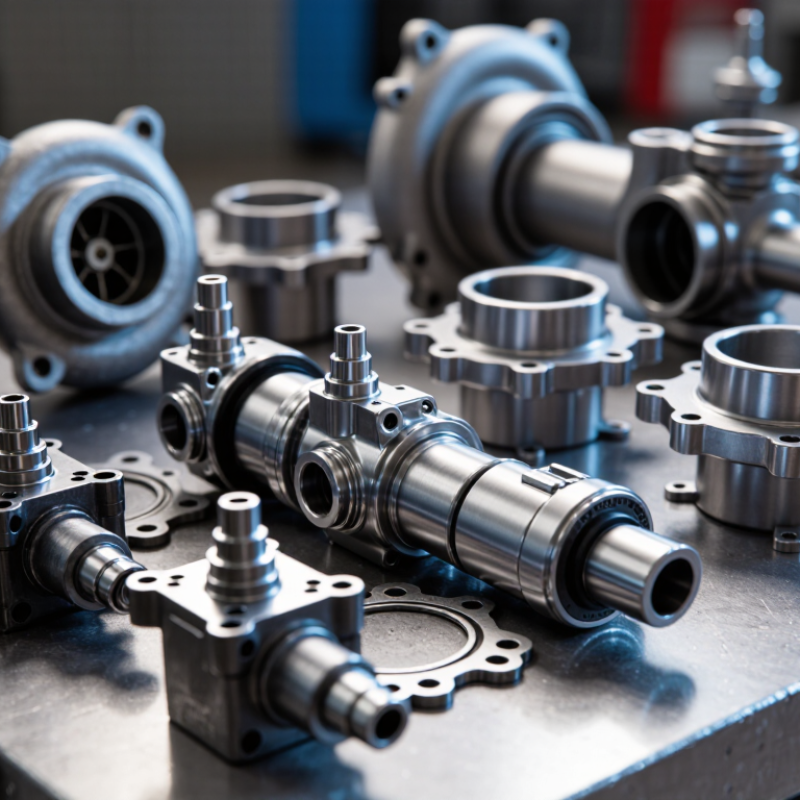
| 8 | Turbocharger Assembly | Uses exhaust energy to increase intake-air mass and engine efficiency. | Cast or forged steel, nickel-based heat-resistant alloys, aluminum compressor components. | Correct boost control, thermal resistance, shaft balance, and compatibility with the engine calibration. | Shaft play, wheel damage, oil leakage, boost pressure, actuator operation, abnormal noise. | Proper boost improves power density and helps maintain bus performance under heavy load. |
| 9 | Valve Train Components | Controls the opening and closing of intake and exhaust valves. | Hardened alloy steel, sintered metal, heat-resistant valve materials. | Wear resistance, accurate timing, suitable valve-seat hardness, and high-temperature durability. | Valve clearance, cam and follower wear, valve-seat sealing, spring condition, timing accuracy. | Valve-train health affects compression, combustion efficiency, noise, and engine durability. |
| 10 | Gaskets and Sealing Components | Prevent leakage of gas, coolant, oil, and combustion pressure. | Multi-layer steel, graphite, fiber composites, fluorocarbon and silicone elastomers. | Correct compression, temperature resistance, chemical compatibility, and dimensional accuracy. | Surface flatness, compression, torque sequence, material condition, and leak-test results. | Reliable sealing protects against gas leaks, coolant loss, oil contamination, and compression loss. |



 08045479132
 Send Inquiry

 Send Inquiry
 Send SMS