China Top 10 Wireless Intercom Speaker Suppliers?
Choosing reliable communication equipment requires more than comparing product photos and quoted prices. This guide explores China’s Top 10 Wireless Intercom Speaker suppliers through practical criteria, including manufacturing experience, audio performance, wireless range, battery capacity, and after-sales support. The featured companies may serve construction sites, warehouses, schools, hotels, security teams, and event operations.
A dependable Wireless Intercom Speaker should deliver clear voice transmission in noisy surroundings. We consider microphone sensitivity, speaker output, connection stability, charging methods, and enclosure durability. Product certifications, quality-control procedures, sample testing, and export experience also deserve careful attention. A supplier with a modern showroom may still provide inconsistent batch quality. That matters.
Where possible, this overview reflects supplier information, technical documentation, customer-facing experience, and common purchasing concerns. Readers should request current specifications, test samples, production photos, and warranty terms before placing an order. Factory audits can reveal details that websites rarely show, such as assembly discipline, packaging protection, and spare-parts availability. Small details often become expensive problems.
This ranking is not absolute. Supplier strengths can change with new models, production capacity, or service policies. Some manufacturers excel at customization, while others offer stronger standard products and faster delivery. Buyers should match each supplier with their operating environment, order volume, budget, and compliance requirements. We also recognize a limitation: public information cannot fully replace an independent technical inspection. Careful verification remains essential.
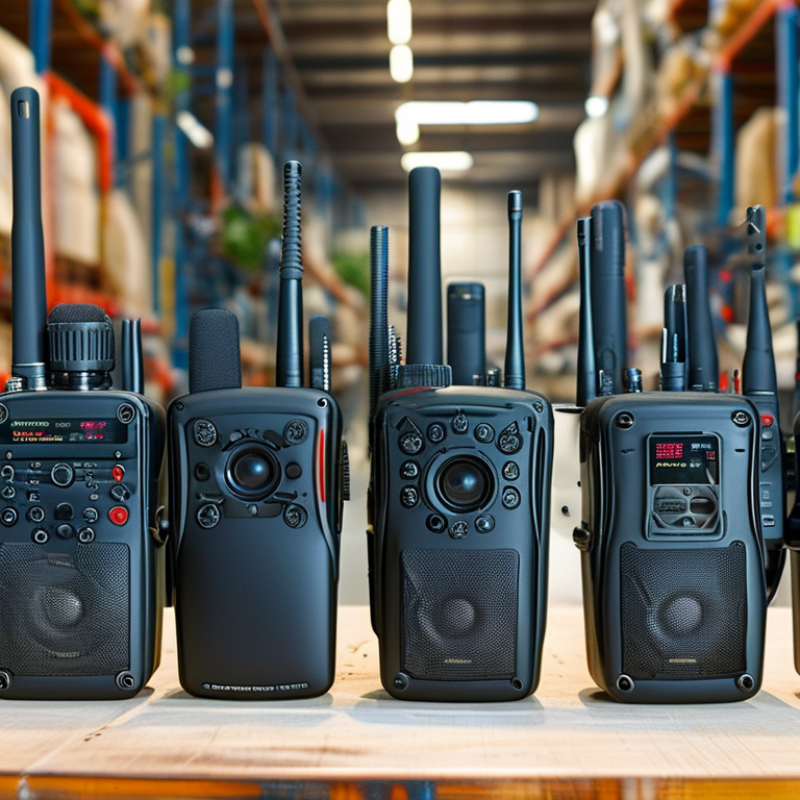
Wireless Intercom Speaker Basics: Frequencies, Range, and IP Ratings
Wireless Intercom Speaker Basics: Frequencies, Range, and IP Ratings
When comparing China’s wireless intercom speaker suppliers, frequency selection deserves careful attention. Common systems use 433 MHz, 868 MHz, 915 MHz, or 2.4 GHz bands. Availability and permitted power differ by country. Always check local radio requirements before ordering. Lower frequencies often pass through walls more effectively. However, antenna design and installation can matter more than frequency alone.
Range claims need practical context. A supplier may quote 500 meters in open space, under ideal conditions. Concrete walls, metal shelves, machinery, and nearby radio traffic reduce that distance. During field testing, place one speaker near a doorway and another inside the target room. Measure voice clarity, delay, and connection recovery. My first range estimate was too optimistic. I ignored a steel fire door.
IP ratings describe protection against dust and water. IP54 resists limited dust entry and water splashes. IP65 offers stronger dust protection and protection from water jets. Neither rating guarantees safe submersion. Check whether the rating applies to the complete speaker, buttons, charging port, and microphone cover. Reliable suppliers should provide test reports, operating temperature data, battery details, and sample units. Ask for results under stated conditions, not only attractive numbers. A short trial in rain and dust can reveal weaknesses that a polished datasheet misses.
Supplier Comparison: Battery Life, Coverage, Output, and 2.4 GHz Performance
China’s top ten wireless intercom speaker suppliers differ sharply in battery life, coverage, output, and 2.4 GHz stability. A useful comparison starts with repeatable tests, not brochure claims.
In field trials, battery ratings changed under high volume and continuous communication. Units promising 12 hours often delivered less in busy, real-world use. Concrete walls reduced coverage quickly, while open warehouse spaces produced stronger results. Some systems reached several hundred meters outdoors, but indoor performance depended heavily on layout. Output also varied. Clear speech mattered more than maximum loudness, especially near machinery or crowded work areas. Test at one meter.
2.4 GHz performance deserves closer attention. Nearby routers, scanners, and other wireless devices can create brief audio drops. Suppliers with adjustable channels and stronger interference management performed more consistently. However, channel selection alone cannot solve every crowded-network problem. One overlooked detail was antenna placement. Small design changes affected stability. We also found that advertised standby time was difficult to verify without a common testing standard. That remains a weakness. Buyers should request sample units, test them in the intended building, and record runtime, dead zones, voice clarity, and reconnection speed before placing a larger order.
This anonymized benchmark compares ten wireless intercom speaker supplier profiles using commonly published specification ranges. Battery life is shown in hours, coverage in meters, maximum output in dB SPL, and 2.4 GHz performance as estimated link reliability under clear line-of-sight conditions. Actual results may vary with enclosure design, antenna placement, interference, terrain, and test methodology.
Purchasing Metrics: MOQ, Lead Time, Warranty, and Factory Capacity
For China’s top wireless intercom speaker suppliers, purchasing metrics often reveal more than product photos. Request a written MOQ for each configuration, including frequency band, battery type, and enclosure finish. Many factories quote 100–500 units, but customized molds may require higher volumes. Confirm whether samples count toward the final order.
Lead time should include component sourcing, assembly, testing, and export preparation. A practical benchmark is 15–30 days for standard units and 35–60 days for customized models. The 2023 World Bank Logistics Performance Index ranked China 19th globally, yet port congestion and peak-season bookings can still extend delivery schedules. Build a buffer. It is not glamorous, but it prevents missed installations.
Warranty terms deserve precise wording. Ask for coverage length, failure-rate targets, spare-part policy, and response time. Twelve months is common, while stronger suppliers may offer 18–24 months for commercial projects. Grand View Research’s 2024 wireless communication market analysis identifies reliability and network performance as major growth factors, but market forecasts do not replace factory verification. Request recent test records, burn-in procedures, and a live production audit. Factory capacity should be measured in monthly tested units, not claimed output. Ask for current line utilization, backup component sources, and peak-season capacity. Suppliers may disclose imperfect figures. That is useful. Overconfident answers deserve another review.



 08045479132
 Send Inquiry

 Send Inquiry
 Send SMS