2026 Top Electrical Enclosure Box Trends for Global Buyers?
In the rapidly evolving world of manufacturing, the demand for innovative Electrical enclosure boxes is growing. These boxes are vital for protecting electrical equipment from environmental elements and ensuring safety. As we approach 2026, global buyers are increasingly interested in the latest trends shaping these essential products.
Sustainability is becoming a priority. Many manufacturers focus on eco-friendly materials and energy-efficient designs. Buyers are keen to invest in solutions that minimize their carbon footprint. Smart technology integration is another trend gaining traction. The rise of the Internet of Things (IoT) is pushing the boundaries of what electrical enclosure boxes can do.
However, not all innovations meet market expectations. Some designs can fall short in terms of durability or functionality. Buyers need to critically assess new products to avoid pitfalls. Being aware of both advancements and shortcomings allows informed decisions. This awareness is key to navigating the dynamic landscape of electrical enclosure boxes in the coming years.
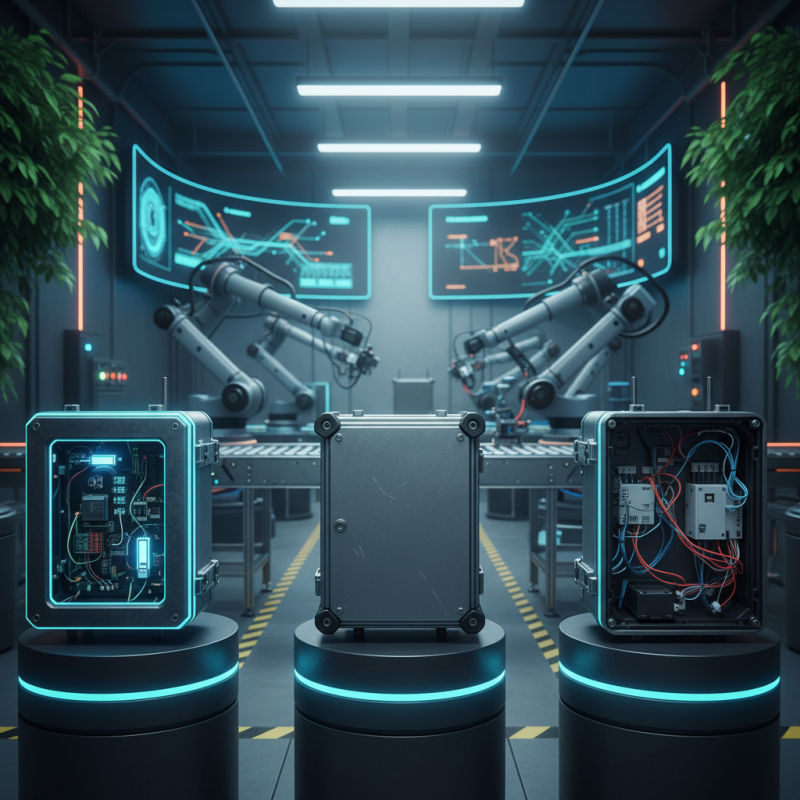
Emerging Materials in Electrical Enclosure Boxes for 2026
As the electrical industry evolves, the materials used in electrical enclosure boxes are also changing. In 2026, we can expect to see a rise in advanced composites and recyclable materials. These materials will enhance durability while reducing environmental impact. The shift towards eco-friendly options is crucial for sustainability.
Another fascinating trend is the incorporation of smart materials. These materials can respond to environmental changes, offering better protection for sensitive equipment. They may change properties in reaction to temperature or moisture. This adaptability can enhance safety and performance, making them a valuable choice for many applications.
However, the transition to new materials comes with challenges. Not all emerging materials have been extensively tested in real-world applications. Buyers should approach these innovations cautiously. It’s essential to consider long-term performance and reliability. Thorough research and consultation with experts can mitigate risks. Even though the future looks promising, it’s wise to reflect on these factors.
Innovative Designs Driving Electrical Enclosure Trends
The electrical enclosure box industry is witnessing innovative designs that prioritize functionality and aesthetics. According to a recent report by MarketsandMarkets, the global electrical enclosure market is projected to reach USD 10.9 billion by 2026, driven by the rising focus on renewable energy and smart-enabled designs. These figures reflect a growing demand for versatile solutions that can adapt to various environments and applications.
In recent years, manufacturers have embraced sustainable materials and modular designs. Such innovations cater to the increasing emphasis on eco-friendly practices. As noted in a report by Frost & Sullivan, eco-conscious products now account for over 40% of market demand. This shift highlights a commitment to reducing carbon footprints. However, the challenge lies in balancing durability and environmental impact.
Safety features remain a focal point of design trends. Enclosures equipped with enhanced cooling systems and robust sealing mechanisms reflect an industry response to rising safety regulations. Reports indicate that half of electrical failures stem from inadequate thermal management. This drives ongoing improvements in thermal protection within enclosures. As these trends unfold, buyers will need to stay informed about changing standards while navigating the complexities of evolving technology.
Smart Features and Technology Integration in Enclosure Boxes
The trend of integrating smart features into electrical enclosure boxes is reshaping the industry. As technology advances, these enclosures are not just protective shells; they are becoming intelligent systems that enhance operational efficiency. They now feature built-in sensors that monitor temperature and humidity levels. This data is crucial for preventing premature equipment failure.
Adding remote monitoring capabilities is a game-changer. Users can track conditions in real time, even from afar. It reduces on-site visits, saving time and costs. However, the challenge is ensuring data security within these systems. With smart features, the potential for cyber threats increases. Therefore, choosing robust security measures is vital to protect sensitive information.
Tips for buyers include focusing on compatibility with existing systems. Ensure that smart features align with your operational needs. Additionally, consider the lifecycle of products. Investing in technology that may become obsolete can lead to future complications. Finally, balance cost with functionality. Sometimes, paying more upfront leads to broader long-term benefits. Emphasizing smart integration will help meet not only today's requirements but also tomorrow's challenges.
Sustainability Practices in Manufacturing Electrical Enclosures
Sustainability is becoming crucial in manufacturing electrical enclosures. Buyers are increasingly aware of the environmental impact of their purchasing decisions. As a result, manufacturers are adopting greener practices. This shift is not only beneficial for the planet but also enhances brand reputation.
Using recycled materials is a common practice. Many electrical enclosure manufacturers now source aluminum and plastics from recycled goods. This reduces landfill waste and conserves natural resources. It’s worth noting that while recyclable materials are trending, the quality must remain high. Some manufacturers struggle to maintain durability and performance when using recycled content.
Tips: Always inquire about a manufacturer’s sustainability policies. Look for certifications that verify eco-friendly practices. Additionally, consider the end-of-life disposal of the enclosures.
Energy efficiency in the production process is essential. Companies are investing in
energy-efficient machinery and
renewable energy sources. This can lead to reduced carbon footprints while also cutting costs in the long run. However, transitioning to greener alternatives can be a challenge for some manufacturers, especially in terms of upfront investment.
Tips: Evaluate the energy sources used in your supplier’s production. Ask for reports on energy consumption. Choosing suppliers who report their energy efficiency can help drive the industry toward better practices.
Market Demand: Key Sectors for Electrical Enclosure Boxes in 2026
As we look toward 2026, the demand for electrical enclosure boxes is expected to rise significantly across various sectors. Renewable energy, for example, will play a crucial role. Solar power and wind farms require durable enclosures to protect sensitive equipment from harsh environments. With increasing investments in green technology, this sector will drive demand.
Another key area is manufacturing. Advanced automation and smart factories rely on reliable electrical systems. Enclosure boxes ensure safety and efficiency by housing electrical components securely. The need for customized solutions will grow, reflecting diverse operational environments. Companies must adapt to provide tailored options that meet specific needs.
However, challenges remain. The shift towards sustainable materials can complicate production processes. Manufacturers must balance eco-friendly practices with functional requirements. Ongoing innovation is essential to meet evolving standards. The search for reliable, efficient, and sustainable electrical enclosure boxes is ongoing.



 08045479132
 Send Inquiry

 Send Inquiry
 Send SMS