Top Electromagnetic Flow Meter for Global Buyers in 2026?
In the rapidly evolving world of fluid measurement, the Electromagnetic Flow Meter stands out as a critical instrument. Its ability to measure the flow of conductive liquids with precision makes it vital across various industries. As we move towards 2026, global buyers need to be aware of the latest advancements and leading models available in the market.
These meters operate on Faraday's law of electromagnetic induction. By creating a magnetic field and measuring voltage differences, they provide accurate flow readings. However, choosing the right Electromagnetic Flow Meter requires careful consideration of factors such as application, budget, and maintenance needs. Buyers often overlook these complexities, which can lead to costly mistakes.
Manufacturers are continually innovating their designs, leading to improved accuracy and reliability. Yet, not every product on the market meets high standards. It is essential for buyers to evaluate product specifications and user reviews. Competitor comparisons can be particularly enlightening but often underused. In this competitive landscape, knowledge is power, making thorough research crucial for informed purchasing decisions.
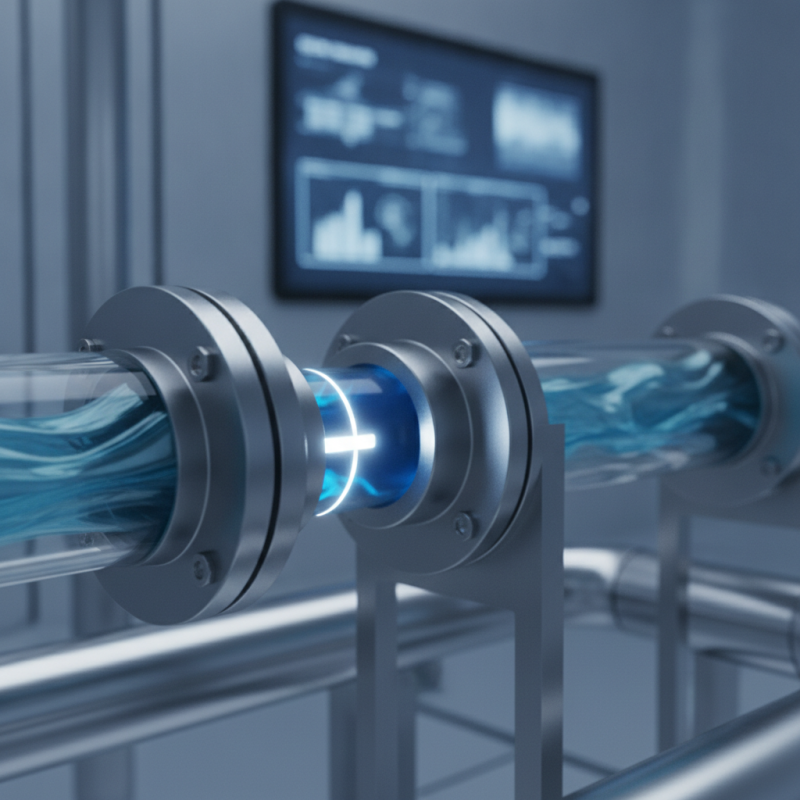
Overview of Electromagnetic Flow Meters and Their Applications
Electromagnetic flow meters are crucial in various industries. They function based on Faraday's law of electromagnetic induction. These devices measure the flow of conductive liquids with high accuracy. Common applications include water treatment, chemical processing, and food production. They excel in environments where traditional meters fail.
Their reliability stems from a lack of moving parts. Without mechanical components, wear and tear are minimized. This makes them ideal for long-term operations. However, not all applications are perfect. Certain factors, like temperature and liquid composition, can affect readings. Some users complain about installation challenges.
Maintenance is also a concern. While electromagnetic flow meters are durable, routine checks are essential. Inadequate attention can lead to performance issues. Users should be aware of these realities when considering adoption. Clarity on operational conditions can enhance their effectiveness. With ongoing technological advancements, future models may address these limitations.
Top Electromagnetic Flow Meter for Global Buyers in 2026
| Model | Flow Rate Range (m³/h) | Accuracy (%) | Process Temperature (°C) | Applications |
| Model A | 10 - 500 | ±0.2 | -20 to 80 | Water, Chemicals |
| Model B | 5 - 300 | ±0.5 | 0 to 60 | Food, Beverage |
| Model C | 1 - 1000 | ±0.3 | -10 to 90 | Wastewater, Pulp |
| Model D | 0.5 - 250 | ±1.0 | -40 to 70 | Pharmaceutical, Oil |
Key Features to Consider When Choosing an Electromagnetic Flow Meter
When choosing an electromagnetic flow meter, several key features are crucial. First, consider the size and material of the meter. The flow meter should match the pipe size and the fluid type it will measure. A mismatch can lead to inaccurate readings and potential damage. It’s essential to know the flow conditions, such as pressure and temperature, to select a suitable meter.
Another important aspect is the measuring range and accuracy. Look for meters that provide consistent performance across various flow rates. High accuracy ensures reliable data, which is essential for effective process control. Some meters may struggle at low or high flow rates, so testing their specifications in real-world conditions is necessary.
Additionally, think about the installation and maintenance requirements. Some meters are easier to install and require less maintenance than others. Complexity can lead to increased downtime. Consider future scalability and compatibility with existing systems. Balancing these variables is crucial for choosing the right flow meter.
Top Brands of Electromagnetic Flow Meters in 2026
Electromagnetic flow meters are vital in various industries. They measure the flow of conductive liquids with accuracy. In 2026, several brands will likely stand out for their innovation and reliability. The demand for these devices is growing. Industries need efficient solutions for fluid management.
User feedback plays a crucial role in identifying top brands. Many users seek reliability and ease of use. Some electrometric flow meters excel in harsh environments. These models withstand extreme conditions and provide precise readings. However, not every brand meets all needs. Some may struggle with calibration, while others face durability concerns.
As we look toward 2026, advancements in technology are expected. Improved materials and smarter designs will enhance performance. Examining user experiences reveals varying results. Some models may shine in one application but falter in another. This diversity in performance demands careful consideration from buyers. It’s essential to align product features with specific requirements.
Future Trends in Electromagnetic Flow Meter Technology
The future of electromagnetic flow meter technology is promising. Advances are transforming how these devices function in various industries. One key trend is the integration of smart technology. With the rise of IoT, flow meters are becoming more intelligent. They can now provide real-time data analysis. This analysis helps in optimizing processes and improving efficiency.
Another exciting development is the focus on miniaturization. Smaller flow meters can now perform with high accuracy. This is crucial in tight spaces or for portable applications. Moreover, these innovations potentially reduce installation costs. However, this miniaturization may also lead to durability questions. Users must weigh size against reliability.
Sustainability is becoming a vital factor. New materials are being explored to enhance performance and reduce environmental impact. Some designs now focus on lower energy consumption. Despite these advancements, there are still challenges to overcome. Questions about long-term maintenance and calibration persist. Innovators must continue to address these issues as technology progresses.
Top Electromagnetic Flow Meter Market Trends in 2026
Global Market Analysis for Electromagnetic Flow Meters in 2026
The global market for electromagnetic flow meters is expected to witness significant growth in 2026. Various industries increasingly rely on these meters for their precision. They measure fluid flow accurately, especially for conductive liquids. Their ability to handle different process conditions is a key factor driving their demand.
Market analysis indicates that sectors such as water treatment, food processing, and chemical manufacturing will see the highest adoption. High accuracy rates and low maintenance requirements enhance their appeal. However, it’s essential to reflect on the challenges. Calibration and installation can be complex, affecting performance. Not all facilities have the expertise or resources required.
Emerging regions are also showing promise. Increased investments in infrastructure lead to growing needs for reliable flow measurement. However, buyers must consider various factors. Local regulations, and compatibility with existing systems, will play a crucial role. Each business should evaluate its specific requirements. Choosing the right flow meter is not just about price; it’s about long-term efficiency.



 08045479132
 Send Inquiry

 Send Inquiry
 Send SMS