Change Language
Call Us08045479132

What is a Zoom Microscope and How Does it Work?

A Zoom Microscope is a powerful tool in the world of microscopy. It allows users to examine objects in detail, adjusting magnification levels effortlessly. This capability makes it ideal for both professionals and enthusiasts alike.

Understanding how a Zoom Microscope operates can enhance your scientific observations. The instrument uses a complex optical system to vary magnification without changing the optics. This feature allows researchers to explore a range of specimens, from biological samples to material science applications.

However, reliance on the Zoom Microscope can present challenges. Factors like lighting and specimen preparation play crucial roles in the quality of the observation. Ideally, this knowledge should inform your approach to using the microscope effectively. Balancing technique and technology is essential for achieving accurate results.

What is a Zoom Microscope and How Does it Work?

What is a Zoom Microscope?

A zoom microscope is a specialized device designed for high-resolution imaging of small objects and biological specimens. Unlike traditional microscopes, which use lenses to magnify the image, zoom microscopes have a continuous zoom feature that allows users to adjust magnification smoothly. This ability enables researchers to view objects at various scales without changing lenses, enhancing both usability and efficiency.

Research indicates that the global microscope market is projected to grow significantly. By 2025, it is expected to reach over $4.1 billion. This growth reflects the increasing demand for advanced imaging solutions in academia and industry. Additionally, studies have shown that ease of use in zoom microscopes improves productivity in laboratories, leading to less time spent switching equipment.

Despite their advantages, zoom microscopes can have limitations. For instance, specific models may struggle with depth of field at higher magnifications. Some users report that this affects their ability to visualize three-dimensional structures effectively. The learning curve for new operators may also pose a challenge, as familiarizing oneself with zoom functionality requires practice. Hence, while zoom microscopes enhance research capabilities, they also necessitate a careful approach to maximize their potential.

Key Components of a Zoom Microscope

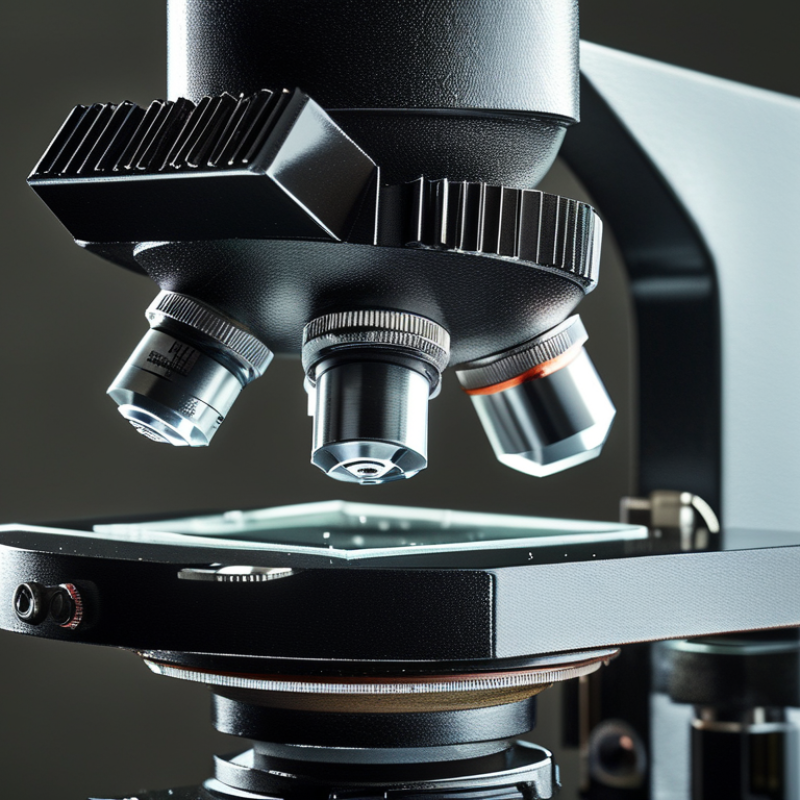
Zoom microscopes are unique optical instruments that offer a range of magnification without the need for changing objectives. Key components of a zoom microscope include an optical zoom system, an adjustable focus mechanism, and an illumination source. Understanding these elements can significantly enhance the microscope's usability for various applications, such as biological research and material sciences.

The optical zoom system is essential for providing variable magnification. Typically, these microscopes can achieve magnifications ranging from 1x to over 40x in a single setup. According to a recent report from the Microscopy Society, 58% of researchers prefer zoom microscopes for their flexibility in viewing different specimens. The adjustable focus mechanism allows for precise control over the depth of field, which is particularly vital when capturing minute details in complex samples.

Illumination also plays a crucial role. Proper lighting enhances visibility and contrast. Many zoom microscopes feature LED lights that offer bright, even illumination. However, users must be cautious. Over-illumination can cause specimen damage, especially in sensitive biological samples. Balancing the light intensity is thus a critical skill. In conclusion, understanding these components is key for maximizing the effectiveness of zoom microscopes and avoiding common pitfalls in microscopy practices.

How Zoom Microscopes Function

Zoom microscopes are innovative instruments designed for observing small objects with a variable magnification system. These microscopes use special lenses to zoom in on subjects without needing to change the eyepiece or objective lenses. Their design allows you to easily shift from low to high magnification seamlessly. This feature makes them ideal for both beginners and experts.

Tips: When using a zoom microscope, start with low magnification to locate your specimen. Gradually increase the zoom for more detail. Adjusting the light source can significantly enhance visibility.

These microscopes function through a combination of optical principles and advanced lens technology. Light passes through the specimen, and optics within the microscope magnify the image. Unlike traditional microscopes, which rely on fixed magnifications, zoom microscopes provide broad flexibility. This adaptability is beneficial for various applications, from biological research to industrial inspections.

Tips: Keep the lenses clean for the best results. Even a small amount of dust or oil can distort images. Also, ensure proper lighting angles to avoid shadows that can obscure details.

Applications of Zoom Microscopes in Various Fields

Zoom microscopes offer unique capabilities in various scientific fields. In biology, these instruments enable researchers to examine cellular structures in great detail. This detail is crucial for understanding cellular functions and interactions. They help in studying microorganisms, tissues, and even in drug development. Observing these tiny entities can lead to significant advancements in medical science.

In material sciences, zoom microscopes are valuable for analyzing surface textures and defects. Engineers often rely on these microscopes to inspect materials at the micro and nanoscale. This inspection can reveal imperfections that might affect product performance. Knowing these issues leads to better quality control practices.

Even in educational settings, zoom microscopes enhance learning experiences. Students can explore specimens firsthand. This hands-on experience sparks curiosity and deepens understanding. However, zoom microscopes can be costly and require proper maintenance. Users must consider these aspects for effective utilization. Getting the most out of these tools comes with challenges that warrant careful thought and reflection.

Advantages of Using a Zoom Microscope Over Traditional Microscopes

Zoom microscopes offer several advantages over traditional microscopes. One key benefit is their ability to provide continuous magnification. This means users can zoom in and out smoothly without the need to switch objectives. Such flexibility enhances the observation of specimens in real-time. For instance, a biologist can examine a single cell and quickly transition to studying a larger tissue sample without losing valuable context.

Another advantage is the ability to maintain the working distance. Zoom microscopes often feature longer working distances compared to traditional models. This allows users to manipulate samples without hindrance. In labs, this can lead to more efficient workflows. However, it requires careful handling to avoid damaging delicate specimens.

Additionally, zoom microscopes can be more user-friendly. They often have simpler controls that accommodate both beginners and experienced users. Yet, this simplicity can sometimes lead to oversights in settings, potentially affecting image quality. It is essential for users to remain vigilant and review their settings frequently. Overall, the benefits of zoom microscopes are significant, but users must stay aware of their limitations and be diligent in their use.

Comparison of Zoom Microscope and Traditional Microscope Features

Back to top